Full Product Details
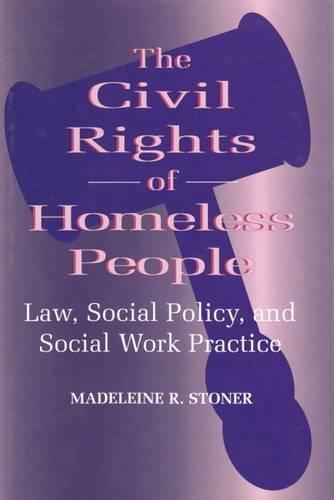
Author: Madeleine Stoner
Publisher: Taylor & Francis Inc
Imprint: AldineTransaction
Dimensions:
Width: 16.50cm
, Height: 2.10cm
, Length: 24.10cm
Weight: 0.499kg
ISBN: 9780202305134
ISBN 10: 0202305139
Pages: 197
Publication Date: 09 June 1995
Audience:
College/higher education
,
General/trade
,
Undergraduate
,
General
Format: Hardback
Publisher's Status: Unknown
Availability: Out of stock

Reviews
<p> Recalling the potent role played by the judiciary in the Civil Rights Movement, Stoner shows the many ways in which class action lawsuits have benefited homeless people over the past decade or so. The particular domains within which such lawsuits have been tried and sometimes won include the right to shelter and emergency assistance; the right to welfare benefits (AFDC, food stamps); the welfare of homeless children; access to mental health services; eviction litigation; voting rights; educational discrimination against homeless children; and the criminalization of the homeless (e.g., loitering, begging, sleeping in public, vagrancy). This book serves two extremely useful purposes. First, by reviewing more than 1,000 class action lawsuits brought on behalf of homeless people, Stoner demonstrates again and again the value and viability of an alliance between the legal and social work professions. Thus, the book is recommended for all social work students and law students with an interest in public policy. Second, the thematic organization of the review of lawsuits and the accessible way in which they are discussed (very little legal jargon here) makes this book, in effect, a directory of legal precedents and strategies that will be extremely useful to homeless advocates and their legal allies. Upper-division undergraduates and above. <p> --K. Hadden, Choice <p> . ..[E]ven though the primary focus is the condition of the homeless, her approach has value to the larger welfare reform debate that has emerged. <p> --Robert M. Moroney, Arizona State University
"-Recalling the potent role played by the judiciary in the Civil Rights Movement, Stoner shows the many ways in which class action lawsuits have benefited homeless people over the past decade or so. The particular domains within which such lawsuits have been tried and sometimes won include the right to shelter and emergency assistance; the right to welfare benefits (AFDC, food stamps); the welfare of homeless children; access to mental health services; eviction litigation; voting rights; educational discrimination against homeless children; and the criminalization of the homeless (e.g., loitering, begging, sleeping in public, vagrancy). This book serves two extremely useful purposes. First, by reviewing more than 1,000 class action lawsuits brought on behalf of homeless people, Stoner demonstrates again and again the value and viability of an alliance between the legal and social work professions. Thus, the book is recommended for all social work students and law students with an interest in public policy. Second, the thematic organization of the review of lawsuits and the accessible way in which they are discussed (very little legal jargon here) makes this book, in effect, a directory of legal precedents and strategies that will be extremely useful to homeless advocates and their legal allies. Upper-division undergraduates and above.- --K. Hadden, Choice -...[E]ven though the primary focus is the condition of the homeless, her approach has value to the larger welfare reform debate that has emerged.- --Robert M. Moroney, Arizona State University ""Recalling the potent role played by the judiciary in the Civil Rights Movement, Stoner shows the many ways in which class action lawsuits have benefited homeless people over the past decade or so. The particular domains within which such lawsuits have been tried and sometimes won include the right to shelter and emergency assistance; the right to welfare benefits (AFDC, food stamps); the welfare of homeless children; access to mental health services; eviction litigation; voting rights; educational discrimination against homeless children; and the criminalization of the homeless (e.g., loitering, begging, sleeping in public, vagrancy). This book serves two extremely useful purposes. First, by reviewing more than 1,000 class action lawsuits brought on behalf of homeless people, Stoner demonstrates again and again the value and viability of an alliance between the legal and social work professions. Thus, the book is recommended for all social work students and law students with an interest in public policy. Second, the thematic organization of the review of lawsuits and the accessible way in which they are discussed (very little legal jargon here) makes this book, in effect, a directory of legal precedents and strategies that will be extremely useful to homeless advocates and their legal allies. Upper-division undergraduates and above."" --K. Hadden, Choice .."".[E]ven though the primary focus is the condition of the homeless, her approach has value to the larger welfare reform debate that has emerged."" --Robert M. Moroney, Arizona State University ""Recalling the potent role played by the judiciary in the Civil Rights Movement, Stoner shows the many ways in which class action lawsuits have benefited homeless people over the past decade or so. The particular domains within which such lawsuits have been tried and sometimes won include the right to shelter and emergency assistance; the right to welfare benefits (AFDC, food stamps); the welfare of homeless children; access to mental health services; eviction litigation; voting rights; educational discrimination against homeless children; and the criminalization of the homeless (e.g., loitering, begging, sleeping in public, vagrancy). This book serves two extremely useful purposes. First, by reviewing more than 1,000 class action lawsuits brought on behalf of homeless people, Stoner demonstrates again and again the value and viability of an alliance between the legal and social work professions. Thus, the book is recommended for all social work students and law students with an interest in public policy. Second, the thematic organization of the review of lawsuits and the accessible way in which they are discussed (very little legal jargon here) makes this book, in effect, a directory of legal precedents and strategies that will be extremely useful to homeless advocates and their legal allies. Upper-division undergraduates and above."" --K. Hadden, Choice .."".[E]ven though the primary focus is the condition of the homeless, her approach has value to the larger welfare reform debate that has emerged."" --Robert M. Moroney, ""Arizona State University"""
<p> Recalling the potent role played by the judiciary in the Civil Rights Movement, Stoner shows the many ways in which class action lawsuits have benefited homeless people over the past decade or so. The particular domains within which such lawsuits have been tried and sometimes won include the right to shelter and emergency assistance; the right to welfare benefits (AFDC, food stamps); the welfare of homeless children; access to mental health services; eviction litigation; voting rights; educational discrimination against homeless children; and the criminalization of the homeless (e.g., loitering, begging, sleeping in public, vagrancy). This book serves two extremely useful purposes. First, by reviewing more than 1,000 class action lawsuits brought on behalf of homeless people, Stoner demonstrates again and again the value and viability of an alliance between the legal and social work professions. Thus, the book is recommended for all social work students and law students with an interest in public policy. Second, the thematic organization of the review of lawsuits and the accessible way in which they are discussed (very little legal jargon here) makes this book, in effect, a directory of legal precedents and strategies that will be extremely useful to homeless advocates and their legal allies. Upper-division undergraduates and above. <p> --K. Hadden, Choice
-Recalling the potent role played by the judiciary in the Civil Rights Movement, Stoner shows the many ways in which class action lawsuits have benefited homeless people over the past decade or so. The particular domains within which such lawsuits have been tried and sometimes won include the right to shelter and emergency assistance; the right to welfare benefits (AFDC, food stamps); the welfare of homeless children; access to mental health services; eviction litigation; voting rights; educational discrimination against homeless children; and the criminalization of the homeless (e.g., loitering, begging, sleeping in public, vagrancy). This book serves two extremely useful purposes. First, by reviewing more than 1,000 class action lawsuits brought on behalf of homeless people, Stoner demonstrates again and again the value and viability of an alliance between the legal and social work professions. Thus, the book is recommended for all social work students and law students with an interest in public policy. Second, the thematic organization of the review of lawsuits and the accessible way in which they are discussed (very little legal jargon here) makes this book, in effect, a directory of legal precedents and strategies that will be extremely useful to homeless advocates and their legal allies. Upper-division undergraduates and above.- --K. Hadden, Choice -...[E]ven though the primary focus is the condition of the homeless, her approach has value to the larger welfare reform debate that has emerged.- --Robert M. Moroney, Arizona State University ""Recalling the potent role played by the judiciary in the Civil Rights Movement, Stoner shows the many ways in which class action lawsuits have benefited homeless people over the past decade or so. The particular domains within which such lawsuits have been tried and sometimes won include the right to shelter and emergency assistance; the right to welfare benefits (AFDC, food stamps); the welfare of homeless children; access to mental health services; eviction litigation; voting rights; educational discrimination against homeless children; and the criminalization of the homeless (e.g., loitering, begging, sleeping in public, vagrancy). This book serves two extremely useful purposes. First, by reviewing more than 1,000 class action lawsuits brought on behalf of homeless people, Stoner demonstrates again and again the value and viability of an alliance between the legal and social work professions. Thus, the book is recommended for all social work students and law students with an interest in public policy. Second, the thematic organization of the review of lawsuits and the accessible way in which they are discussed (very little legal jargon here) makes this book, in effect, a directory of legal precedents and strategies that will be extremely useful to homeless advocates and their legal allies. Upper-division undergraduates and above."" --K. Hadden, Choice .."".[E]ven though the primary focus is the condition of the homeless, her approach has value to the larger welfare reform debate that has emerged."" --Robert M. Moroney, Arizona State University ""Recalling the potent role played by the judiciary in the Civil Rights Movement, Stoner shows the many ways in which class action lawsuits have benefited homeless people over the past decade or so. The particular domains within which such lawsuits have been tried and sometimes won include the right to shelter and emergency assistance; the right to welfare benefits (AFDC, food stamps); the welfare of homeless children; access to mental health services; eviction litigation; voting rights; educational discrimination against homeless children; and the criminalization of the homeless (e.g., loitering, begging, sleeping in public, vagrancy). This book serves two extremely useful purposes. First, by reviewing more than 1,000 class action lawsuits brought on behalf of homeless people, Stoner demonstrates again and again the value and viability of an alliance between the legal and social work professions. Thus, the book is recommended for all social work students and law students with an interest in public policy. Second, the thematic organization of the review of lawsuits and the accessible way in which they are discussed (very little legal jargon here) makes this book, in effect, a directory of legal precedents and strategies that will be extremely useful to homeless advocates and their legal allies. Upper-division undergraduates and above."" --K. Hadden, Choice .."".[E]ven though the primary focus is the condition of the homeless, her approach has value to the larger welfare reform debate that has emerged."" --Robert M. Moroney, ""Arizona State University""