|
|
|||
|
||||
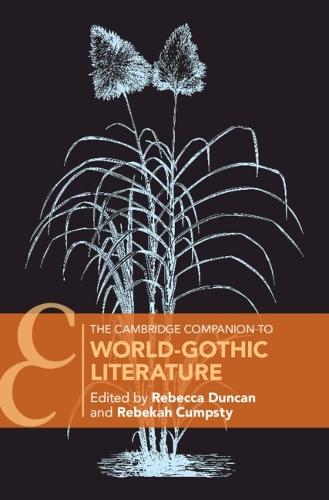
OverviewMonsters have always swarmed around the frontiers of colonialism and capitalism, from Europe's invasion and occupation of the Americas to the planetary emergency of the present day. In this volume, we discover how the early British Gothic – far from a progenitor – is in fact a belated cultural response to capitalist modernity, one anticipated by myriad spectres haunting the plantations of the 'New World'. Gothic did not begin in Britain, and then become global over time. Rather, as the volume reveals, gothic has always been world-gothic: a way of dealing with the alienation and anxiety that erupt with capitalist modernisation, when- and wherever this is taking place. Essays in the volume chart the new links and comparisons enabled by this insight, renovating established gothic concepts and outlining groundbreaking new theoretical infrastructure. Together, chapters provincialise the 'western' gothic tradition, in order to open up new possibilities for world-gothic reading. Full Product DetailsAuthor: Rebecca Duncan (Linnaeus University) , Rebekah Cumpsty (Weber State University)Publisher: Cambridge University Press Imprint: Cambridge University Press Weight: 0.250kg ISBN: 9781009382564ISBN 10: 100938256 Pages: 324 Publication Date: 31 January 2026 Audience: General/trade , General Format: Paperback Publisher's Status: Forthcoming Availability: Not yet available, will be POD This item is yet to be released. You can pre-order this item and we will dispatch it to you upon it's release. This is a print on demand item which is still yet to be released. Table of ContentsIntroduction: Five Hundred Years of World-Gothic Rebecca Duncan and Rebekah Cumpsty; Part I. Gothic in the World: (Re)Conceptualisations; 1. The undead's capitalist world-system Stephen Shapiro; 2. Whiteness and the 'Western' Gothic tradition Rebecca Duncan and Johan Höglund; 3. Gothic and Labour: metabolic, reproductive, international Esthie Hugo; Part II. World-Monsters: Global Transmissions and Genealogies; 4. Pre-colonial Gothic and the Windigo Krista Collier-Jarvis; 5. Hauntings: African-based spirituality in world-Gothic literature James Mellis; 6. Vampiric exhaustion and extractive form: the Mozambican miner Thomas Waller; 7. Subversive sorcery and reparative witchcraft: Huesera's challenges to coloniality Valeria Villegas Lindvall; Part III. Worlding Gothic Theory: 8. World-Gothic and the sublime Jana M. Giles; 9. A planetary grotesque Rune Graulund;10. Uncanny animism: reframing the world-Gothic with Amos Tutuola Ryan Topper; 11. Abject/Abhuman/Human: provincializing world-Gothic monstrosity Rebekah Cumpsty; Part IV. World-Gothic: transregional comparisons; 12. Gothic inheritances in Oceania: problems of origins and ownership Caitlin Vandertop; 13. Tough oil Gothic: contemporary petrofiction across the North-South divide Karl Emil Rosenbæk Reetz; 14. Scheherazade and Bluebeard: the world-Gothic and bloody chambers in Arab women's writing Roxanne Douglas; 15. Coda: catachresis and the politics of Gothic naming Rebekah Cumpsty and Rebecca Duncan.ReviewsAuthor InformationRebecca Duncan is Associate Professor in Literature at Linnaeus University and Research Associate in English at the University of the Witwatersrand. Her recent publications include the edited volume The Edinburgh Companion to Globalgothic (2023), which won both the Justin D. Edwards Prize and a Choice Outstanding Academic Title Award in 2024. Rebekah Cumpsty is Associate Professor of Anglophone World Literature at Weber State University. She is the author of Postsecular Poetics: Negotiating the Sacred and Secular in Contemporary African Fiction (2022). Her research interests include religious studies and the postsecular, postcolonial and world literatures, with a focus on anglophone African fiction. Her recent publications have appeared in Gothic Studies, The Edinburgh Companion to Globalgothic (2023) and Contemporary Literature and the Body (2023). Tab Content 6Author Website:Countries AvailableAll regions |
||||