|
|
|||
|
||||
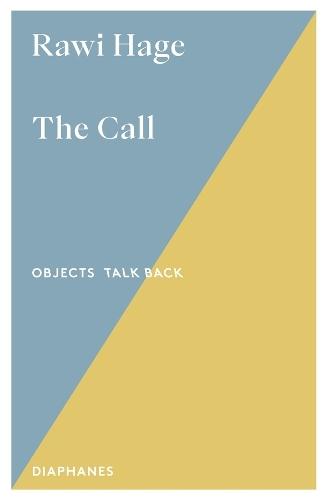
OverviewA personal reflection on fragmentation, language, and place. Following one of the Turfan archaeological expeditions in the early 1900s, a fragment of a Manichaean text written in Uighur and Old Turkic found its way to the Asian Art Museum in Berlin. Originating from the Northern Silk Road region (now the Xinjiang Uighur Region in China), these ""loose leaves"" became a source of inspiration for Rawi Hage. Hage writes, ""I was born near Byblos in Lebanon. The ancient city of Byblos is believed to be the place where the first alphabet was invented."" Encountering this rare and precious manuscript, with its layered and multicolored words, Hage reflects on the movement, uprooting, displacement, and migration of both objects and people. Full Product DetailsAuthor: Rawi HagePublisher: Diaphanes AG Imprint: Diaphanes AG Dimensions: Width: 11.00cm , Height: 0.80cm , Length: 17.00cm Weight: 0.027kg ISBN: 9783035807950ISBN 10: 3035807957 Pages: 48 Publication Date: 22 April 2026 Audience: General/trade , General Format: Paperback Publisher's Status: Forthcoming Availability: Not yet available This item is yet to be released. You can pre-order this item and we will dispatch it to you upon its release. Table of ContentsReviewsAuthor InformationRawi Hage was born in Beirut and survived the Lebanese civil war of the 1970s and 1980s. He emigrated to New York and later moved to Montreal, where, as a photographer and writer, he explores themes of rootlessness, exile, and the consequences of war. His novels have received internationally acclaimed literary awards and have been translated into thirty languages. Tab Content 6Author Website:Countries AvailableAll regions |
||||