|
|
|||
|
||||
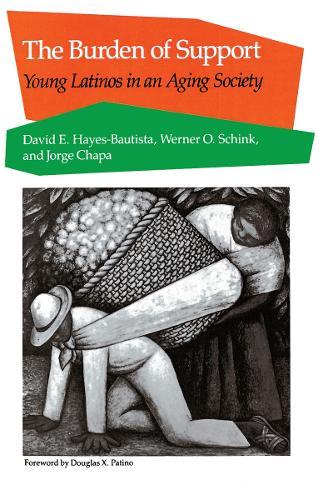
OverviewThis book takes as its focus America in the 1980s which, at the time, was undergoing massive demographic and economic changes. The bulk of the book deals with Latino demographic, social, and economic characteristics: labor force participation, income, education, health, and political participation. It advocates that, in order to improve their situation, Latinos must understand their position as a group and as a community. The authors offer grounded speculation about the future of society, given two very important trends occurring simultaneously: the aging of the well-educated, Anglo Baby Boomer generation; and the growth of the much younger, less-educated Latino population. Full Product DetailsAuthor: David E. Hayes-Bautista , Werner O. Schink , Jorge ChapaPublisher: Stanford University Press Imprint: Stanford University Press Edition: New edition Dimensions: Width: 15.20cm , Height: 1.50cm , Length: 22.90cm Weight: 0.313kg ISBN: 9780804718028ISBN 10: 0804718024 Pages: 220 Publication Date: 01 March 1990 Audience: College/higher education , Professional and scholarly , Undergraduate , Postgraduate, Research & Scholarly Format: Paperback Publisher's Status: Active Availability: In Print This item will be ordered in for you from one of our suppliers. Upon receipt, we will promptly dispatch it out to you. For in store availability, please contact us. Table of ContentsContents Patino Douglas X. One. Two. Three. Four. Five. Six. Seven. Eight. Nine.ReviewsAuthor InformationThis book takes as its focus America in the 1980s which, at the time, was undergoing massive demographic and economic changes. The bulk of the book deals with Latino demographic, social, and economic characteristics: labor force participation, income, education, health, and political participation. It advocates that, in order to improve their situation, Latinos must understand their position as a group and as a community. The authors offer grounded speculation about the future of society, given two very important trends occurring simultaneously: the aging of the well-educated, Anglo Baby Boomer generation; and the growth of the much younger, less-educated Latino population. Tab Content 6Author Website:Countries AvailableAll regions |
||||