Overview
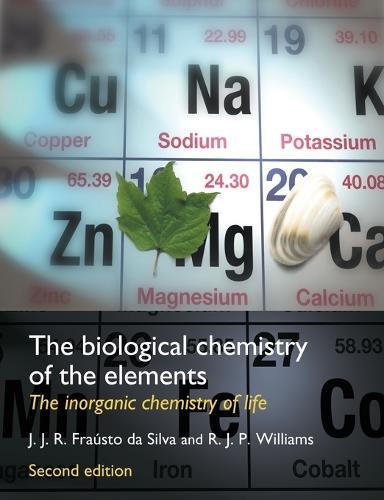
Twenty inorganic elements, mostly metal ions, are consistently found in living systems and are essential for living systems to function correctly. The aim of this text is to discuss, describe, and explain the functional relevance of those elements: the reasons for their selection; the processes of their uptake, transport and final localization in cells; the regulation of these processes; and the interactive network of their reactions that connects the in vivo inorganic elements to the environment and to the genome. The first seven chapters describe the physical, chemical, and biological principles of the involvement of the elements in cellular activity, stressing how inorganic and organic chemicals react differently together in different compartments. The next twelve chapters describe the uses of the individual essential inoranic elements and a section on the genetic control of each element is included. The final chapter discusses how the interaction of genes, proteins, small molecules, and inorganic elements plays an important role in evolution and the speciation of organisms. The second edition of 'The Biological Chemistry of The Elements' has been thoroughly revised in content and style. The main additions to the first edition concern the discussion of the links to the genome of the uptake and transfer of inorganic elements and the regulation of homeostasis, the functional co-operative activities of the elements, the interaction with the environment, and the evolution of usage. Recent structural and mechanistic knowledge of many biomolecules and organelles are also included. Like the higly praised first edition, this text will be the bible of bioinorganic chemistry.
Full Product Details
Author: Frausto da Silva ,
Williams
Publisher: Oxford University Press
Imprint: Oxford University Press
Edition: 2nd Revised edition
Dimensions:
Width: 18.90cm
, Height: 3.20cm
, Length: 24.70cm
Weight: 1.321kg
ISBN: 9780198508489
ISBN 10: 0198508484
Pages: 600
Publication Date: 16 August 2001
Audience:
College/higher education
,
Tertiary & Higher Education
Format: Paperback
Publisher's Status: Active
Availability: To order

Stock availability from the supplier is unknown. We will order it for you and ship this item to you once it is received by us.
Reviews
A general overview of biological inorganic chemistry as well as a fascinating novel view of the nature of living systems and their evolution ... The authors have created a text that nicely complements the usual chapters found in advanced inorganic and biochemistry text books ... The principles are presented with clear explanations in a relaxed, conversational writing style. The use of clear and detailed drawings, on nearly every page, enhances the text ... a valuable introductory guide to all aspects of the wild and wonderful world of bioinorganic chemistry. ChemBioChem
A general overview of biological inorganic chemistry as well as a fascinating novel view of the nature of living systems and their evolution ... The authors have created a text that nicely complements the usual chapters found in advanced inorganic and biochemistry text books ... The principles are presented with clear explanations in a relaxed, conversational writing style. The use of clear and detailed drawings, on nearly every page, enhances the text ... a valuable introductory guide to all aspects of the wild and wonderful world of bioinorganic chemistry. ChemBioChem