Overview
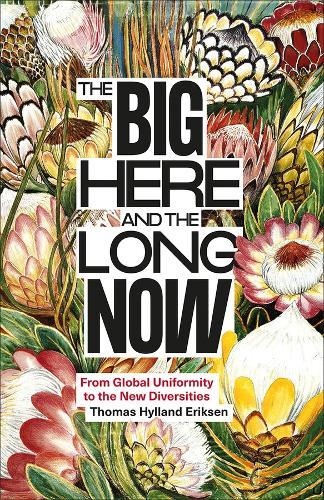
For thousands of years, humanity's story was one of diversification. Across centuries and continents our species proliferated new approaches to family and community life; to agriculture, economics, religion, artistic expression and self-understanding. Today, this process is in reverse. Culturally and ecologically, we are witnessing an almost universal drive towards homogeneity and the loss of diversity. The global forces of capitalism have created a world riddled with overlapping crises, with any alternatives pushed into the margins, narrowing the scope for action just when we need it most. And yet its logic is never totalising: contrary to Margaret Thatcher's famous mantra, there are many alternatives. The Big Here and the Long Now begins with the story of how our world of efficiency, standardisation and development optimism first came into being; and how promises of progress, growth and prosperity have, in recent years, acquired a nasty aftertaste. The book concludes with hope, and an exploration of creolisation and hybridity. With biocultural diversity already being revived by activists and indigenous communities, from Manhattan to Micronesia, there are plenty of green shoots. Now they must be cultivated and nurtured.
Full Product Details
Author: Thomas Hylland Eriksen
Publisher: Pluto Press
Imprint: Pluto Press
ISBN: 9780745352220
ISBN 10: 0745352227
Pages: 320
Publication Date: 20 April 2026
Audience:
General/trade
,
General
Format: Paperback
Publisher's Status: Forthcoming
Availability: Not yet available

This item is yet to be released. You can pre-order this item and we will dispatch it to you upon its release.
Reviews
'Truly an inspiration. Only someone of Eriksen's stature could write this call to intellectual and political action in everyday life with such authority, lucidity and grounding. Through smartphones, containerships, cement and soil, Eriksen shows us that there are small signs of more liveable worlds than the juggernaut of globalisation allows' -- Caroline Knowles, Professor Emerita at Goldsmiths University of London, author of <i>Serious Money</i>
'Truly an inspiration. Only someone of Eriksen's stature could write this call to intellectual and political action in everyday life with such authority, lucidity and grounding. Through smartphones, containerships, cement and soil, Eriksen shows us that there are small signs of more liveable worlds than the juggernaut of globalisation allows' -- Caroline Knowles, Professor Emerita at Goldsmiths University of London, author of <i>Serious Money</i> 'Thomas Hylland Eriksen is by a wide margin the most influential social anthropologist in Norway' -- Willy Pedersen, <i>Morgenbladet</i>
Author Information
Thomas Hylland Eriksen (1962 – 2024) was Professor of Social Anthropology at the University of Oslo and former President of the European Association of Social Anthropologists (EASA). He was among the most highly cited anthropologists of his generation, and his classic and accessible textbook Small Places, Large Issues remains a cornerstone in anthropology courses. His later books, including Overheating, tackled the important issue of climate change within the discipline.