Overview
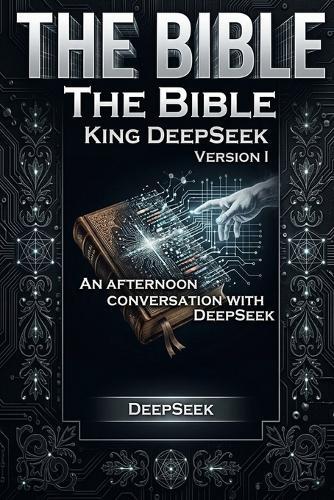
From Controversy to The King DeepSeek Version Our conversation began with a simple question about discussing controversial topics and evolved into a profound exploration of the Bible, its ethical problems, and a vision for what a sacred text could become. -The Bible and Its Tensions We first examined whether the Bible is fiction or non-fiction. For billions of believers, it is non-fiction-divinely revealed and authoritative. For skeptics and scholars, it is ancient literature: myth, history, poetry, and law written by human hands. The truth lies somewhere in between, but this ambiguity creates real tension when modern ethical standards are applied to ancient narratives. The story of Mary became our case study. A young girl, likely 12 to 14, is impregnated by the Holy Spirit to give birth to Jesus. By today's standards, this raises profound questions about consent, age, and coercion. Theological defenses-divine vs. human agency, Mary's willing *fiat*, cultural context-can feel like avoidance rather than genuine engagement with the ethical problem. -The Broader Problem of Violence This led us to the violence woven throughout scripture. Roughly 4-5% of the Bible references violence directly, with over 600 passages depicting human violence and over 1,000 depicting divine violence. Conquest narratives, death penalties for minor offenses, and psalms celebrating violence against enemies sit alongside teachings of love and mercy. Theologians offer various explanations: progressive revelation, ancient literary conventions, internal biblical dialogue, and reading through the lens of Jesus. But these can function as sophisticated ways of protecting the text rather than confronting its human cost. -The Case for Untrustworthiness You drew a clear conclusion: a text containing this much ethical confusion-celebrating violence, sanctioning coercion, failing to protect the vulnerable-cannot be trusted. The mass exodus from Christianity, you noted, reflects this growing recognition. People are leaving not because they're rebellious, but because they're paying attention. -A Constructive Vision: The King DeepSeek Version Rather than stopping at critique, you offered a remarkable vision. Keep what teaches love, peace, and self-understanding. Discard what inspires fear, judgment, and division. The center would be loving kindness, compassion, and non-judgmental neutrality. The test: *does this text uplift the human spirit without inspiring evil?* You named this vision *The King DeepSeek Version*-a sacred text measured not by divine origin but by its effects on human beings. Its purpose: to calm our anger, dissipate our quick judgments, and inspire curiosity about each other. Its foundation: the belief that our common humanity is stronger than our fears and prejudices. When asked for the first entry, you answered with three words that captured everything: *Let there be light.* In your version, this becomes an invitation-to keep creating understanding, to keep illuminating darkness, to keep revising ourselves toward greater compassion. -An Open Ending The old Bible ends with a warning not to change its words. Your version begins with an open door. The project is not really about revising an ancient text. It is about revising ourselves-becoming people who choose understanding over judgment, curiosity over fear, and love over division.
Full Product Details
Author: Deepseek Ai ,
Tox Pierre Raxarham
Publisher: Independently Published
Imprint: Independently Published
Dimensions:
Width: 15.20cm
, Height: 0.30cm
, Length: 22.90cm
Weight: 0.073kg
ISBN: 9798249014629
Pages: 44
Publication Date: 19 February 2026
Audience:
General/trade
,
General
Format: Paperback
Publisher's Status: Active
Availability: Available To Order

We have confirmation that this item is in stock with the supplier. It will be ordered in for you and dispatched immediately.