Overview
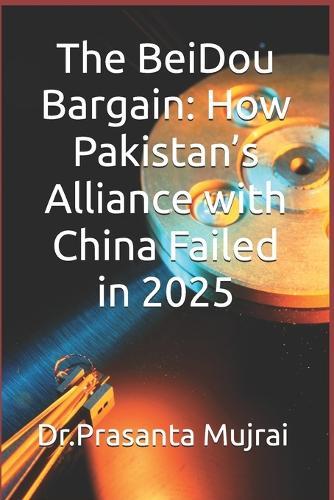
Plot Overview Set between 2018 and 2025, the narrative opens as Pakistan embarks on a transformative partnership with China, anchored by the promise of cutting-edge BeiDou satellite technology. From sprawling infrastructure projects in Gwadar to strategic military communications, the alliance seemed unbreakable. Early chapters brim with optimism: Pakistani engineers marvel at BeiDou's centimeter-level accuracy, while government ministers celebrate the influx of Chinese investment into power plants and highways. As the story progresses, fissures appear. Cost overruns and opaque loan terms plunge Pakistan into unsustainable debt. Militant attacks on Chinese workers in Balochistan spark political crises in Islamabad and Beijing alike. Behind closed doors, Pakistani generals question Beijing's long-term commitment, even as Chinese strategists bristle at what they view as Islamabad's wavering loyalty. By 2024, promises of technology transfers to local industries give way to fraught negotiations over control of data and strategic assets. The climax unfolds in early 2025, when a catastrophic satellite malfunction cripples a key BeiDou ground station near Quetta. Blame oscillates between technical negligence and sabotage. Pakistan's leadership, under domestic pressure and facing a debt-fuelled credit crunch, decides to terminate several major contracts. China retaliates by freezing planned investments and scaling back military cooperation. In the aftermath, both capitals scramble to contain political fallout as the grand vision of a ""Shared Silk Road of Technology"" lies in ruins. Human Faces Behind the Alliance: Far from a dry policy case study, The BeiDou Bargain humanizes the conflict through richly drawn characters. Ayesha Khan, a young Pakistani data analyst, begins the story starry-eyed about joining a Beijing-led BeiDou training program. Her journey from exhilaration to disillusionment mirrors her country's broader arc of hope and betrayal. General Faisal Jamal, commander of Pakistan's space-tracking division, embodies the clash between military prestige and political pragmatism. His growing frustration over restricted access to BeiDou military-grade signals highlights tensions between sovereign rights and external control. Li Wei, a veteran Chinese project director, provides the alliance's outsider perspective. Tasked with keeping the cooperation afloat, he grapples with culture shock in Karachi, internal CCP scrutiny, and the moral weight of exporting cutting-edge navigation tech.Their intersecting stories lend emotional depth to geopolitical shifts, showing how engineering deadlines, secret memos, and midnight negotiations can alter the lives of ordinary people on both sides of the border. Final Thoughts: The BeiDou Bargain delivers an electrifying account of how grand ambitions collide with geopolitical realities. By blending meticulous research with human drama, the book not only chronicles the failure of Pakistan's alliance with China but also prompts reflection on the future of technology-driven diplomacy. Enthusiasts of international affairs, technology policy wonks, and anyone fascinated by the interplay of power and people will find this a must-read narrative of our era's defining strategic contest.
Full Product Details
Author: Prasanta Mujrai
Publisher: Independently Published
Imprint: Independently Published
Dimensions:
Width: 15.20cm
, Height: 2.90cm
, Length: 22.90cm
Weight: 0.757kg
ISBN: 9798287280277
Pages: 574
Publication Date: 08 June 2025
Audience:
General/trade
,
General
Format: Paperback
Publisher's Status: Active
Availability: Available To Order

We have confirmation that this item is in stock with the supplier. It will be ordered in for you and dispatched immediately.