|
|
|||
|
||||
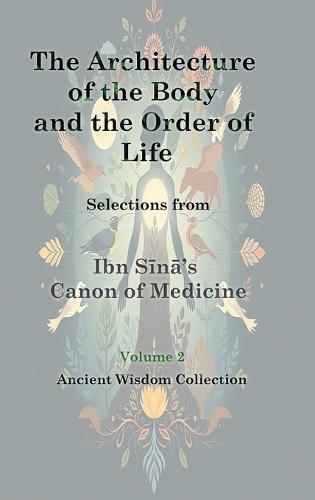
OverviewThis second volume, The Architecture of the Body and the Order of Life, advances Ibn Sīnā's vision of medicine from structural description to systemic understanding. Beginning with the classification of organs and their hierarchical organization, the text unfolds a comprehensive anatomy of bones, joints, and muscles, revealing how form is inseparable from function. Each structure is presented not as an isolated part but as an element within a coordinated whole, defined by its power (quwwa) and action (ʿamal). The volume then deepens into the dynamic principles that animate this architecture: the movement of the vital spirit (rūḥ ḥayawānī), the integration of sensory and motor systems, and the balance of the humors that sustain life. In doing so, Ibn Sīnā portrays the human body as a living system governed by equilibrium, interdependence, and continuous motion-anticipating a systems-based understanding of physiology in which health emerges from the harmony of structure, energy, and function. Full Product DetailsAuthor: Al-Hussain Ibn Sina , AvicennaPublisher: Integr8d Imprint: Integr8d Dimensions: Width: 15.20cm , Height: 1.00cm , Length: 22.90cm Weight: 0.327kg ISBN: 9798888230190Pages: 86 Publication Date: 15 December 2025 Audience: General/trade , General Format: Hardback Publisher's Status: Active Availability: Available To Order We have confirmation that this item is in stock with the supplier. It will be ordered in for you and dispatched immediately. Table of ContentsReviewsAuthor InformationAbu Ali al-Hussain Ibn Abdullah Ibn Sina (980-1037 CE), known in the Latin West as Avicenna, was a Persian philosopher, physician, and scientist whose contributions profoundly impacted the development of both Islamic and European intellectual history. Regarded as one of the most significant thinkers of the Islamic Golden Age, he authored over 450 works across a wide range of disciplines, including philosophy, medicine, astronomy, logic, and mathematics. His most celebrated works, The Canon of Medicine and The Book of Healing, reflect a synthesis of Aristotelian philosophy with empirical scientific inquiry. Ibn Sina's methodical approach to diagnosis, experimentation, and ethical medical practice marked a turning point in the history of medicine. His legacy endures not only in the annals of medical science but also in the broader tradition of rational thought and humanistic scholarship. Tab Content 6Author Website:Countries AvailableAll regions |
||||