Overview
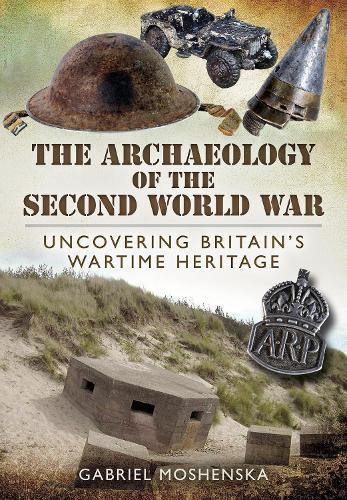
The Second World War transformed British society. Men, women and children inhabited the war in every area of their lives, from their clothing and food to schools, workplaces and wartime service. This transformation affected the landscapes, towns and cities as factories turned to war work, beaches were prepared as battlefields and agricultural land became airfields and army camps. Some of these changes were violent: houses were blasted into bombsites, burning aircraft tumbled out of the sky and the seas around Britain became a graveyard for sunken ships. Many physical signs of the war have survived - a vast array of sites and artefacts that archaeologists can explore - and Gabriel Moshenska's new book is an essential introduction to them. He shows how archaeology can bring the ruins, relics and historic sites of the war to life, especially when it is combined with interviews and archival research in order to build up a clear picture of Britain and its people during the conflict. His work provides for the first time a broad and inclusive overview of the main themes of Second World War archaeology and a guide to many of the different types of sites in Britain. It will open up the subject for readers who have a general interest in the war and it will be necessary reading and reference for those who are already fascinated by wartime archaeology - they will find something new and unexpected within the wide range of sites featured in the book. AUTHOR: Gabriel Moshenska received a PhD in the archaeology of the Second World War from the Institute of Archaeology, University College London. He conducts archaeological excavation and survey on First and Second World War sites in Greater London, as well as historical research on Civil Defence and the Home Front. His work has featured in television documentaries and a number of academic journals, books, newspapers and magazines. He is a member of the editorial advisory board for the magazine Military Times and he is the editor, with A. Myers, of Archaeologies of Internment and, with S. Dhanjal, of Community Archaeology. 50 illustrations
Full Product Details
Author: Gabriel Moshenska
Publisher: Pen & Sword Books Ltd
Imprint: Pen & Sword Archaeology
ISBN: 9781399020831
ISBN 10: 1399020838
Pages: 224
Publication Date: 27 May 2022
Audience:
General/trade
,
General
Format: Paperback
Publisher's Status: Active
Availability: In Print

This item will be ordered in for you from one of our suppliers. Upon receipt, we will promptly dispatch it out to you. For in store availability, please contact us.
Reviews
This is a book to inspire local groups to research, reveal and record archaeology in their area. Warnings are given of possible unexploded ordinance, bad air and the chance of finding human remains where none are expected.... -- The Civil Defence Journal, No. 55, April 2016
"""This is a book to inspire local groups to research, reveal and record archaeology in their area. Warnings are given of possible unexploded ordinance, bad air and the chance of finding human remains where none are expected....""-- ""The Civil Defence Journal, No. 55, April 2016"""
Author Information
Gabriel Moshenska received a PhD in the archaeology of the Second World War from the Institute of Archaeology, University College London. He conducts archaeological excavation and survey on First and Second World War sites in Greater London, as well as historical research on Civil Defence and the Home Front. His work has featured in television documentaries and a number of academic journals, books, newspapers and magazines. He is a member of the editorial advisory board for the magazine Military Times and he is the editor, with A. Myers, of Archaeologies of Internment and, with S. Dhanjal, of Community Archaeology.