|
|
|||
|
||||
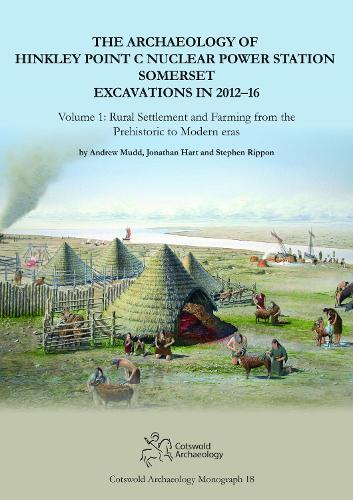
OverviewEarly Neolithic occupation (from about 3600 BC) was represented by small groups of pits which were partly contemporary with a well-known round barrow – a protected monument called Wick Barrow or Pixies’ Mound – lying just outside the development site. Later prehistoric remains included Bronze Age burnt mounds, boundary ditches, a Late Bronze Age enclosure, and an Early Iron Age midden. There was more widespread Late Iron Age and Roman settlement, including a seasonally occupied linear settlement with evidence of salt-making. Contemporary activity included a nearby late Roman settlement. On another site a sequence of occupation from the late Iron Age to modern eras was examined. Here historical documents add to the account of the site and preserved the names of some of the farm’s recent inhabitants. Full Product DetailsAuthor: Andrew Mudd , Jonathan Hart , Stephen RipponPublisher: Cotswold Archaeology Imprint: Cotswold Archaeology Volume: 18 ISBN: 9781999822248ISBN 10: 1999822242 Pages: 424 Publication Date: 14 June 2024 Audience: Professional and scholarly , Professional & Vocational Format: Hardback Publisher's Status: Active Availability: In Print This item will be ordered in for you from one of our suppliers. Upon receipt, we will promptly dispatch it out to you. For in store availability, please contact us. Table of ContentsReviewsAuthor InformationAndrew, formerly CA, has extensive archaeological experience working on numerous sites in the UK and also in South America. He has managed large post-excavation programmes on projects such as Hinkley Point C and the A46 Nottinghamshire. He has co-authored numerous monographs and journal articles. Jon is a Senior Publications Officer at Cotswold Archaeology and has extensive experience of fieldwork and publication work. He is also active in community engagement and staff training. Tab Content 6Author Website:Countries AvailableAll regions |
||||