Overview
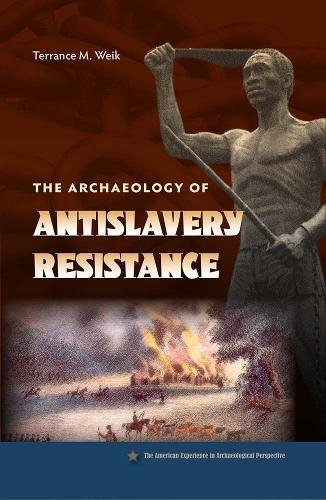
In the days of slavery, people of African descent sought to protect their human rights, escape from bondage, and combat exploitation. Their actions varied across different settings and times, and included accommodation, collaboration, autonomy, and militancy. This volume focuses on the evolution of antislavery resistance by examining material culture, documents, oral traditions, and other evidence that illustrate how enslaved people fought for their freedom. Terrance Weik presents readers with case studies accumulated from the material record left by Maroons in the Americas, Black Seminoles, and the Underground Railroad. He specifically highlights the way archaeologists' contributions have added to our understanding of struggles for freedom from slavery that were pursued by people of the African Diaspora in the Americas and their allies. Weik encourages readers to consider the global dimensions of antislavery resistance as well as issues that continue to spark debate today, including racism, cultural survival, self-determination, and inequality.
Full Product Details
Author: Terrance M. Weik
Publisher: University Press of Florida
Imprint: University Press of Florida
Dimensions:
Width: 15.20cm
, Height: 1.20cm
, Length: 22.80cm
Weight: 0.338kg
ISBN: 9780813044729
ISBN 10: 0813044723
Pages: 204
Publication Date: 30 April 2013
Audience:
General/trade
,
General
Format: Paperback
Publisher's Status: Active
Availability: In Print

This item will be ordered in for you from one of our suppliers. Upon receipt, we will promptly dispatch it out to you. For in store availability, please contact us.
Reviews
Fascinating. . . . Weik clearly shows that this antislavery resistance is poorly documented in the records of the dominant society and that the study of the material culture can provide subtle clues to the life and conduct of the resisters. This volume is a comprehensive survey of an important new field in historical archaeology. Written as a narrative, it is very accessible to both the professional and lay reader. It well reflects the beginning of an interesting new direction in archaeological research that is bound to produce dramatic results in the years to come. <i>American Archaeology</i></p>
Weik reviews studies that describe resistance in multidimensional ways, warning readers not to focus on the arguments of resistance to slavery in narrow terms of violence or activism, but to be aware that resistance took many forms and manifestations, depending on the community or the circumstances. -- Choice
""Fascinating. . . . Weik clearly shows that this antislavery resistance is poorly documented in the records of the dominant society and that the study of the material culture can provide subtle clues to the life and conduct of the resisters. This volume is a comprehensive survey of an important new field in historical archaeology. Written as a narrative, it is very accessible to both the professional and lay reader. It well reflects the beginning of an interesting new direction in archaeological research that is bound to produce dramatic results in the years to come.""--American Archaeology ""Weik reviews studies that describe resistance in multidimensional ways, warning readers not to focus on the arguments of resistance to slavery in narrow terms of violence or activism, but to be aware that resistance took many forms and manifestations, depending on the community or the circumstances.""--Choice
Author Information
Terrance M. Weik is associate professor of anthropology at the University of South Carolina, USA.