Overview
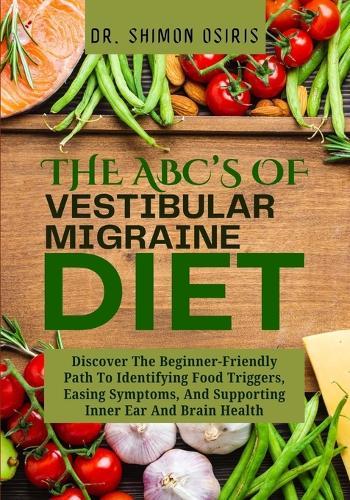
Vestibular migraine (VM) is a complex and often under-recognized neurological condition that affects millions of people worldwide. Unlike classic migraine, which is primarily characterized by intense headaches, vestibular migraine predominantly manifests through episodes of dizziness, vertigo, imbalance, and other vestibular symptoms. These episodes can vary in duration from a few seconds to several hours, and sometimes even days, severely impacting a person's quality of life. Many individuals with VM also experience concurrent symptoms such as sensitivity to light and sound, nausea, motion intolerance, and cognitive disturbances, which further complicate diagnosis and management. The pathophysiology of vestibular migraine is multifactorial. It involves intricate interactions between the brain's vascular system, the vestibular apparatus in the inner ear, and various neurotransmitters, including serotonin and dopamine. Genetic predisposition, environmental triggers, hormonal fluctuations, and lifestyle factors all contribute to the frequency and severity of attacks. Among these, diet has emerged as a significant modifiable factor. While medications and vestibular rehabilitation therapies are often prescribed to manage VM, dietary interventions offer a complementary, non-pharmacological approach that empowers patients to exert greater control over their symptoms. A vestibular migraine diet is not merely about avoiding certain ""trigger foods"" but about understanding how nutrition affects the neurological and vestibular systems. Research and patient reports have identified several dietary triggers that may exacerbate vestibular migraine episodes. Common culprits include foods high in tyramine (such as aged cheeses and cured meats), excessive caffeine or alcohol, artificial sweeteners, monosodium glutamate (MSG), and foods containing nitrates or nitrites. Sudden fluctuations in blood sugar, dehydration, and high-sodium diets have also been implicated in triggering VM symptoms. However, triggers are highly individualized, and what affects one person may not affect another. The goal of a vestibular migraine diet is twofold: prevention and stabilization. By carefully selecting foods that support neurological health and avoiding those that may provoke episodes, individuals can reduce the frequency, intensity, and duration of attacks. Key principles often include maintaining stable blood sugar levels, ensuring adequate hydration, incorporating magnesium- and riboflavin-rich foods, reducing inflammatory or vasoactive substances, and emphasizing a balanced intake of fresh fruits, vegetables, lean proteins, and whole grains. In addition to identifying triggers, a successful vestibular migraine diet encourages mindful eating habits. Regular meal timing, portion control, and food journaling are invaluable strategies for identifying patterns and tailoring dietary interventions to individual needs. For many patients, these small but consistent adjustments can produce profound improvements in symptom management and overall well-being. This book is designed to serve as a comprehensive guide for individuals living with vestibular migraine, caregivers, and healthcare professionals. It explores the science behind vestibular migraine, explains the relationship between diet and symptom control, and provides practical tools, meal plans, and recipes to help implement a sustainable, migraine-friendly lifestyle. By integrating evidence-based recommendations with actionable strategies, this guide empowers readers to take proactive steps toward managing their condition, reducing dependency on medications, and improving quality of life. Understanding vestibular migraine and the impact of diet requires patience, experimentation, and awareness. Every individual's experience with VM is unique, and this book acknowledges that flexibility and personalization are essential.
Full Product Details
Author: Dr Shimon Osiris
Publisher: Independently Published
Imprint: Independently Published
Dimensions:
Width: 17.80cm
, Height: 0.50cm
, Length: 25.40cm
Weight: 0.191kg
ISBN: 9798267720908
Pages: 102
Publication Date: 29 September 2025
Audience:
General/trade
,
General
Format: Paperback
Publisher's Status: Active
Availability: Available To Order

We have confirmation that this item is in stock with the supplier. It will be ordered in for you and dispatched immediately.