Overview
Gastroesophageal reflux disease, commonly referred to as GERD, is a chronic digestive disorder in which stomach acid flows backward into the esophagus, causing a range of uncomfortable and potentially damaging symptoms. These can include heartburn, regurgitation, chest discomfort, chronic cough, hoarseness, and even difficulty swallowing. While medications and lifestyle modifications are commonly prescribed to manage GERD, dietary management plays a central and indispensable role in reducing symptoms and improving overall quality of life. Unlike temporary digestive disturbances, GERD is a persistent condition. It affects millions of people worldwide, transcending age, gender, and lifestyle, and if left unmanaged, it can lead to complications such as esophagitis, Barrett's esophagus, and an increased risk of esophageal cancer. Understanding the connection between what we eat and how our digestive system functions is critical, as certain foods and eating patterns can exacerbate symptoms, while others can soothe the esophagus and promote digestive health. Dietary management of GERD is not a one-size-fits-all approach. Each individual may respond differently to specific foods, meal timings, and portion sizes. Therefore, a successful GERD diet is personalized, emphasizing foods that are less likely to trigger reflux while ensuring nutritional adequacy for overall health. Core principles typically include avoiding highly acidic, spicy, or fatty foods, moderating caffeine and alcohol intake, and consuming meals in a calm, upright setting. Additionally, incorporating smaller, more frequent meals and paying attention to food combinations can significantly reduce the frequency and severity of reflux episodes. Beyond symptom relief, a GERD-conscious diet also focuses on long-term digestive wellness. It encourages the consumption of nutrient-rich foods such as lean proteins, whole grains, vegetables, and fruits that are low in acidity. It emphasizes proper hydration and mindful eating habits, which together support not only the health of the esophagus but also the overall digestive system. For many individuals, adopting these dietary strategies can reduce dependence on medications and contribute to sustainable lifestyle changes that improve both physical and mental well-being. This guide aims to provide a comprehensive roadmap for navigating GERD through diet. It will explore the physiological mechanisms behind reflux, identify common dietary triggers, and provide practical strategies, meal plans, and recipes designed specifically to alleviate symptoms. Whether you are newly diagnosed with GERD, seeking to optimize your current management, or looking to prevent the progression of symptoms, understanding how diet interacts with your digestive health is the cornerstone of effective care. By approaching GERD with knowledge, mindfulness, and deliberate dietary choices, you can take an active role in managing your symptoms, enhancing your comfort, and improving your quality of life. This book is your companion in that journey, equipping you with evidence-based guidance, practical tools, and sustainable strategies to live well with GERD.
Full Product Details
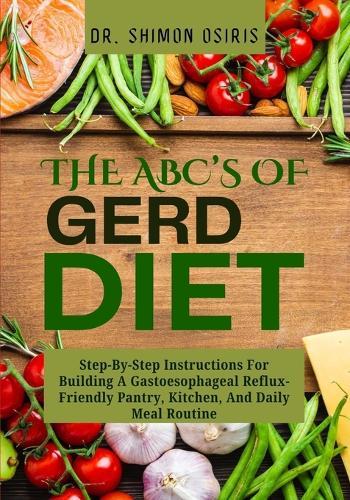
Author: Dr Shimon Osiris
Publisher: Independently Published
Imprint: Independently Published
Dimensions:
Width: 17.80cm
, Height: 0.80cm
, Length: 25.40cm
Weight: 0.259kg
ISBN: 9798267000598
Pages: 142
Publication Date: 24 September 2025
Audience:
General/trade
,
General
Format: Paperback
Publisher's Status: Active
Availability: Available To Order

We have confirmation that this item is in stock with the supplier. It will be ordered in for you and dispatched immediately.