Overview
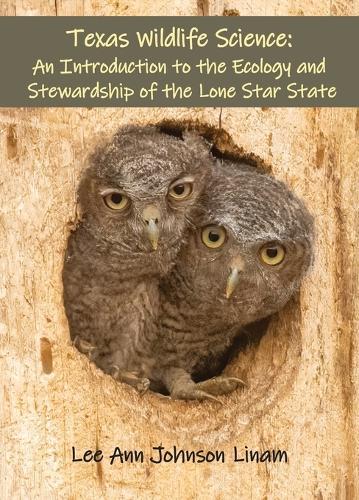
The physical geography of the Lone Star State lays a foundation for a beautifully diverse assortment plant communities, from the starkly beautiful deserts of West Texas to the cathedral longleaf pine forests of East Texas and from the windswept shortgrass prairies of the Texas Panhandle to the lush subtropical palm forests of the Lower Rio Grande Valley. In these diverse and ever-changing habitats, birds, mammals, reptiles, and amphibians occupy their distinctive niches-predators follow prey, symbionts aid each other, keystone species create habitat for other members of the ecosystem, and wildlife scientists find a calling. Texas Wildlife Science introduces readers to wildlife ecology in Texas, using a focus on Texas habitats and species as a way of teaching ecological concepts, wildlife management techniques, and conservation strategies. The book will serve to guide teachers, students, and general readerships to an understanding of the diversity of Texas ecosystems, the dynamic management of those ecosystems, the species that depend on those ecosystems, and the role that humans may play in endangering or restoring and managing species and their habitats. Texas Wildlife Science offers an overview of general ecological principles and the physical environment of Texas before detailing conservation and management in the primary vegetation communities of the state and for the birds, mammals, amphibians, reptiles, and invertebrates of the state. It opens with a review of the history of wildlife conservation and closes with a challenge regarding the roles that Texans can play in the future. While suitable for teachers and students in environmental science, ecology, and wildlife management classes, with over 300 color photos and illustrations, Texas Wildlife Science, will also appeal to the wildlife enthusiast at home. Although not an exhaustive field guide, it offers an introduction to nearly 500 Texas plant and animals species and suggests links to additional references. Complimentary PowerPoint presentations are available, and a corresponding lab manual with lesson plans is available from One Day Academy Bookstore (https: //www.onedayacademy.com/bookstore). Reviewed by a dozen wildlife biologists, Texas Wildlife Science fills a gap by tying together many of the valuable wildlife learning materials available in Texas into one cohesive, beautiful picture of the beautiful natural resources of the state, while celebrating and inspiring those who caretake them. This colorful book can serve as a textbook for high school classes, homeschools, or introductory college classes. It provides an introduction to wildlife ecology and management that will also be of interest to Texas residents and landowners.
Full Product Details
Author: Lee Ann Johnson Linam ,
Mark Alan Storey
Publisher: Linam Labs
Imprint: Linam Labs
Dimensions:
Width: 21.00cm
, Height: 2.90cm
, Length: 27.90cm
Weight: 1.352kg
ISBN: 9798993869605
Pages: 354
Publication Date: 27 January 2026
Audience:
General/trade
,
General
Format: Hardback
Publisher's Status: Active
Availability: Available To Order

We have confirmation that this item is in stock with the supplier. It will be ordered in for you and dispatched immediately.
Author Information
Lee Ann Johnson Linam is a wildlife biologist with a passion for bringing people and wildlife together. She started her career with the Texas Parks and Wildlife Department at the J.D. Murphree Wildlife Management Area in Port Arthur, where she served as a waterfowl and wetlands biologist and Alligator Program Leader. Eventually, Lee Ann transferred to Austin, where she served as the Endangered Species Program Leader. During those volatile years she participated in diverse working groups to address concerns of the Endangered Species Act and encouraged the development of the first endangered species management guidelines for private landowners. Following her interests in the intersection of people with wildlife, she went on to develop TPWD's citizen science program, Texas Nature Trackers. After retirement from TPWD, Lee Ann taught high school science in homeschool academies and private schools for eight years, where she developed a unique Texas Wildlife Science course for middle and high school students.Lee Ann holds a bachelor's degree in Wildlife and Fisheries Sciences from Texas A&M University, a Graduate Diploma in Environmental Studies from Monash University in Melbourne, Australia, and has a graduate certificate in Global Nutrition Programming from Tufts University. She is currently engaged in community-based conservation projects and education programs in Zimbabwe through the nonprofits Bridges to Birding and Noah's FARM.Lee Ann credits her interest in wildlife, education, and community involvement to her father and mother and the years they spent exploring the outdoors together with people from various cultures--an experience she hopes to share with other families through her writings.