|
|
|||
|
||||
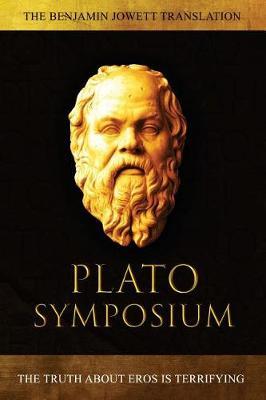
OverviewOne of the most famous works of literature in the Western world, Plato's Symposium is also one of the most entertaining. The scene is a dinner party in Athens in 416 B.C. at which the guests - including the comic poet Aristophanes and Plato's mentor, Socrates - playfully discuss the nature of eros, or love. Full Product DetailsAuthor: Plato Of Greece , Prof Benjamin JowettPublisher: Createspace Independent Publishing Platform Imprint: Createspace Independent Publishing Platform Dimensions: Width: 15.20cm , Height: 0.50cm , Length: 22.90cm Weight: 0.141kg ISBN: 9781973970118ISBN 10: 1973970112 Pages: 88 Publication Date: 27 July 2017 Audience: General/trade , General Format: Paperback Publisher's Status: Active Availability: Available To Order We have confirmation that this item is in stock with the supplier. It will be ordered in for you and dispatched immediately. Table of ContentsReviewsAuthor InformationPlato in was a philosopher in Classical Greece and the founder of the Academy in Athens, the first institution of higher learning in the Western world. He is widely considered the most pivotal figure in the development of philosophy, especially the Western tradition. Unlike nearly all of his philosophical contemporaries, Plato's entire work is believed to have survived intact for over 2,400 years. Others believe that the oldest extant manuscript dates to around AD 895, 1100 years after Plato's death. This makes it difficult to know exactly what Plato wrote. Along with his teacher, Socrates, and his most famous student, Aristotle, Plato laid the very foundations of Western philosophy and science. Alfred North Whitehead once noted: the safest general characterization of the European philosophical tradition is that it consists of a series of footnotes to Plato. In addition to being a foundational figure for Western science, philosophy, and mathematics, Plato has also often been cited as one of the founders of Western religion and spirituality. Plato's influence on Christianity is often thought to be mediated by his major influence on Saint Augustine of Hippo, one of the most important philosophers and theologians in the foundation of the Western thought. In the 19th century, the philosopher Nietzsche called Christianity Platonism for the people. Numenius of Apamea viewed this differently, he called Plato the Hellenic Moses. This would justify the superiority of Christianity over Hellenism because Moses predates Plato-thus the original source of this wisdom is the root of Christianity and not Hellenistic culture Tab Content 6Author Website:Countries AvailableAll regions |
||||