Overview
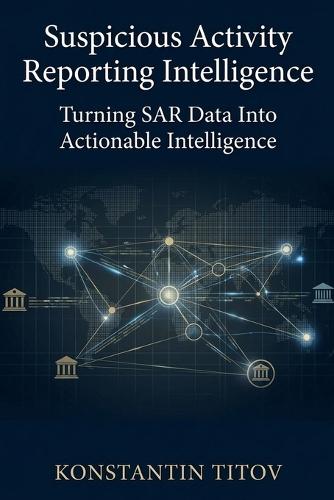
Suspicious Activity Reporting Intelligence Turning SAR Data Into Actionable Intelligence Suspicious Activity Reports (SARs) sit at the center of the United States anti-money laundering system. Every year financial institutions submit hundreds of thousands of reports identifying unusual transactions, emerging patterns of financial crime, and signals that may indicate money laundering, fraud, corruption, or other illicit activity. Yet SAR reporting is often misunderstood. For many institutions it appears to be a compliance obligation-a regulatory form that must be completed and filed according to established rules. In reality, SAR reporting plays a much larger role within the American financial crime detection framework. It functions as a core intelligence channel. Through SAR reporting, financial institutions transmit structured information about suspicious financial behavior to the Financial Crimes Enforcement Network (FinCEN), where those signals are integrated with other sources of financial intelligence and used to support investigations, regulatory oversight, and risk analysis. Suspicious Activity Reporting Intelligence explains how this system works. Rather than focusing only on technical filing procedures, this book examines the broader intelligence architecture behind SAR reporting and how financial institutions contribute to the detection of complex financial crime networks. Inside this book you will learn: - The strategic purpose of SAR reporting within the U.S. AML framework - How financial institutions detect suspicious financial behavior through monitoring systems and investigations - The internal escalation process that turns alerts into reportable suspicious activity - How SAR data is collected, analyzed, and integrated by FinCEN - The role of SAR intelligence in financial crime investigations and enforcement actions - Information-sharing mechanisms between financial institutions and government agencies - The influence of analytics, technology, and regulatory intelligence on modern SAR programs - Governance expectations for institutions operating risk-based compliance frameworks The book provides a structured explanation of how suspicious activity signals move from financial institutions into national financial intelligence systems. It is designed for professionals who need to understand the strategic role of SAR reporting rather than simply its procedural requirements. This book will be valuable for: - AML and financial crime compliance professionals - financial institutions and risk management teams - investigators and regulatory analysts - lawyers advising financial institutions - researchers studying financial crime systems Understanding SAR reporting today requires understanding how financial data becomes intelligence. Suspicious Activity Reporting Intelligence offers a clear explanation of that process.
Full Product Details
Author: Konstantin Titov
Publisher: Independently Published
Imprint: Independently Published
Volume: 2
Dimensions:
Width: 15.20cm
, Height: 1.00cm
, Length: 22.90cm
Weight: 0.254kg
ISBN: 9798251142105
Pages: 186
Publication Date: 07 March 2026
Audience:
General/trade
,
General
Format: Paperback
Publisher's Status: Active
Availability: Available To Order

We have confirmation that this item is in stock with the supplier. It will be ordered in for you and dispatched immediately.