|
|
|||
|
||||
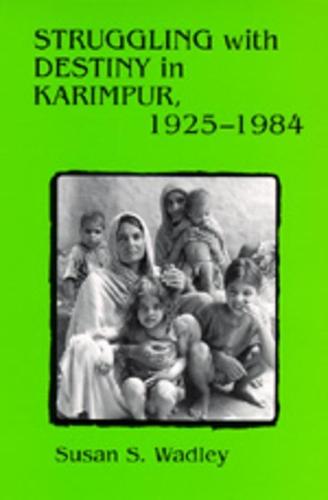
OverviewSusan Wadley first visited Karimpur-the village ""behind mud walls"" made famous by William and Charlotte Wiser-as a graduate student in 1967. She returned often, adding her observations and experiences to the Wisers' field notes from the 1920s and 1930s. In this long-awaited book, Wadley gives us a work of unprecedented scope: a portrait of an Indian village as it has changed over a sixty-year period. She hears of changes in agriculture, labor relations, education, and the family. But Karimpur's residents do not speak with one voice in describing the ways their lives have changed-viewpoints vary considerably depending on the speaker's gender, economic status, and caste. Using cultural documents such as songs and stories, as well as data on household budgets and farming practices, Wadley examines what it means to be poor or rich, female or male. She demonstrates that the forms of subordination prescribed for women are paralleled by those prescribed for lower castes. Villagers also speak of political struggles in India, and of the importance of religion when confronting change. Their stories, songs, and life histories reveal the rich fabric of Karimpur and show how much can be learned from listening to its people. Full Product DetailsAuthor: Susan S. WadleyPublisher: University of California Press Imprint: University of California Press Dimensions: Width: 15.20cm , Height: 2.00cm , Length: 22.90cm Weight: 0.454kg ISBN: 9780520084070ISBN 10: 0520084071 Pages: 319 Publication Date: 27 July 1994 Audience: Professional and scholarly , Professional & Vocational Format: Paperback Publisher's Status: Active Availability: Out of stock The supplier is temporarily out of stock of this item. It will be ordered for you on backorder and shipped when it becomes available. Table of ContentsReviewsAuthor InformationSusan S. Wadley is Professor of Anthropology at Syracuse University. Tab Content 6Author Website:Countries AvailableAll regions |
||||