Overview
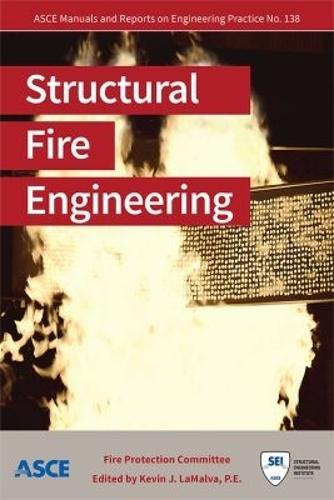
Prepared by the Fire Protection Committee of the Structural Engineering Institute of ASCE Structural Fire Engineering provides best practices for the field of performance-based structural fire engineering design. When structural systems are heated by fire, they experience thermal effects that are not contemplated by conventional structural engineering design. Traditionally, structural fire protection is prescribed for structures after they have been optimized for ambient design loads, such as gravity, wind, and seismic, among others. This century-old prescriptive framework endeavors to reduce the heating of individual structural components with the intent of mitigating the risk of structural failure under fire exposure. Accordingly, the vulnerability of buildings to structural failure from uncontrolled fire varies across jurisdictions–which have differing structural design requirements for ambient loads–and as a function of building system and component configuration. As an alternative approach, Standard ASCE 7-16 permits the application of performance-based structural fire design (also termed structural fire engineering design) to evaluate the performance of structural systems explicitly under fire exposure in a similar manner as other design loads are treated in structural engineering practice. Structural fire engineering design is the calculated design of a structure to withstand the thermal load effects of fire, which have the potential to alter the integrity of a structure, based on specific performance criteria. This manual, MOP 138, addresses the current practice, thermal and structural analysis methods, and available information to support structural fire engineering design. It covers: Background information on the protection of structures from fire and the effects of fire on different types of construction, Key distinctions between standard fire resistance design and structural fire engineering design, Guidance for evaluating thermal boundary conditions on a structure because of fire exposure and on conducting heat transfer calculations based on the material thermal properties, Performance objectives for structures under fire exposure, and Analysis techniques that can be used to quantify structural response to fire effects. This Manual of Practice is a valuable resource for structural engineers, architects, building officials, and academics concerned with performance-based design for structural fire safety.
Full Product Details
Author: Kevin J. LaMalva ,
Fire Protection Committee
Publisher: American Society of Civil Engineers
Imprint: American Society of Civil Engineers
Volume: 138
Weight: 0.480kg
ISBN: 9780784415047
ISBN 10: 0784415048
Pages: 256
Publication Date: 30 October 2018
Audience:
Professional and scholarly
,
Professional & Vocational
Format: Hardback
Publisher's Status: Active
Availability: Out of stock

The supplier is temporarily out of stock of this item. It will be ordered for you on backorder and shipped when it becomes available.