Overview
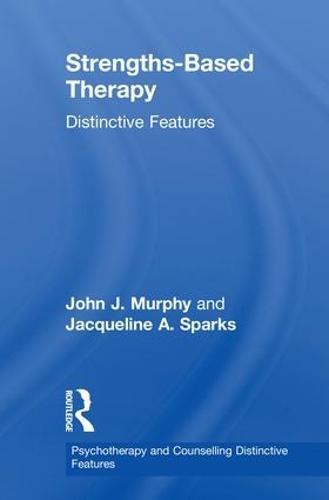
Strengths-Based Therapy: Distinctive Features offers an introduction to what is distinctive about this innovative client-directed approach. Written by two experienced practitioners of strengths-based therapies, this book translates SBT principles and practices into concise, evidence-based ideas and techniques that mental health practitioners can immediately apply on the job. Using the popular Distinctive Features format, this book describes 15 theoretical features and 15 practical techniques of Strengths-Based Therapy. Strengths-Based Therapy will be a valuable resource for psychotherapists, clinical, health and counselling psychologists, counsellors, psychiatrists, marriage and family therapists, social workers, and all who wish to know more about this unique approach to therapy.
Full Product Details
Author: John Murphy (Professor of Psychology at the University of Central Arkansas) ,
Jacqueline Sparks (Professor of Couple and Family Therapy in the College of Health Sciences at the University of Rhode Island)
Publisher: Taylor & Francis Ltd
Imprint: Routledge
Weight: 7.820kg
ISBN: 9781138684102
ISBN 10: 1138684104
Pages: 184
Publication Date: 04 July 2018
Audience:
Professional and scholarly
,
College/higher education
,
Professional & Vocational
,
Postgraduate, Research & Scholarly
Format: Hardback
Publisher's Status: Active
Availability: In Print

This item will be ordered in for you from one of our suppliers. Upon receipt, we will promptly dispatch it out to you. For in store availability, please contact us.
Reviews
This book is rich with clinical dialogues that help readers put into practice the collaborative, transtheoretical ideas and methods of strengths-based therapy. SBT challenges the assumptions of diagnosis-based treatments and offers an alternative client-directed approach. A must read for mental health practitioners and graduate students. Michael J. Lambert, Ph.D., Professor, Brigham Young University Editor of Bergin and Garfield's Handbook of Psychotherapy and Behavior Change Whether you're a novice and simply curious about Strength-Based Therapy, or an experienced SBT clinician, this book is a must read. It offers an in-depth understanding of the roots of this client-centered therapy approach, a clear description of its components along with clinical examples that bring the ideas to life. Regardless of your current theoretical model, if you want better outcomes with your clients-and more enjoyment from your work-you will greatly benefit from this practical guide. Michele Weiner- Davis, LCSW Co-author of In Search of Solutions: A New Direction in Psychotherapy I am very excited to see the publication of this book. Emphasizing a strength-based approach to therapy is not only a needed addition to current practice, it is a needed corrective. Fostering strength is one of the best ways to correct psychopathology. The book provides an excellent theoretical and research base for this approach, and follows it up with a whole set of useful suggestions for strength-based practice. Arthur C. Bohart, Professor Emeritus, California State University-Dominguez Hills Author of How Clients Make Therapy Work: The Process of Active Self-Healing It is clear from the research that clients--not therapists--are the principal driving force behind positive therapeutic change. This unique and compelling book shows how counsellors and psychotherapists can capitalise on that and help clients make the most of their therapy. Accessible, informed and illustrated throughout with client studies and dialogues, Strengths-based therapy can help therapists of all orientations develop their practice in a client-centred, outcome-informed, and socially-just direction. An invaluable addition to the contemporary counselling and psychotherapy literature. Mick Cooper, Professor, University of Roehampton Co-author of Pluralistic Counselling and Psychotherapy Read Strength-Based Therapy and improve your therapeutic success rate. Murphy and Sparks share a thought-provoking non-pathologizing therapy in which client wisdom is championed as a major ingredient of successful outcome. They generously illustrate this with their wealth of clinical experience-showing their embodiment of respect and humility, and importantly, exemplifying 'doing social justice. Harlene Anderson, Ph.D., International Consultant, The Toas Institute, Houston Galveston Institute.
This book is rich with clinical dialogues that help readers put into practice the collaborative, transtheoretical ideas and methods of strengths-based therapy. SBT challenges the assumptions of diagnosis-based treatments and offers an alternative client-directed approach. A must read for mental health practitioners and graduate students. Michael J. Lambert, Ph.D., Professor, Brigham Young University Editor of Bergin and Garfield's Handbook of Psychotherapy and Behavior Change ã Whether you're a novice and simply curious about Strength-Based Therapy, or an experienced SBT clinician, this book is a must read. It offers an in-depth understanding of the roots of this client-centered therapy approach, a clear description of its components along with clinical examples that bring the ideas to life. Regardless of your current theoretical model, if you want better outcomes with your clients-and more enjoyment from your work-you will greatly benefit from this practical guide. Michele Weiner- Davis, LCSW Co-author of In Search of Solutions: A New Direction in Psychotherapy ã I am very excited to see the publication of this book. Emphasizing a strength-based approach to therapy is not only a needed addition to current practice, it is a needed corrective. Fostering strength is one of the best ways to correct psychopathology. The book provides an excellent theoretical and research base for this approach, and follows it up with a whole set of useful suggestions for strength-based practice. Arthur C. Bohart, Professor Emeritus, California State University-Dominguez Hills Author of How Clients Make Therapy Work: The Process of Active Self-Healing ã It is clear from the research that clients--not therapists--are the principal driving force behind positive therapeutic change. This unique and compelling book shows how counsellors and psychotherapists can capitalise on that and help clients make the most of their therapy. Accessible, informed and illustrated throughout with client studies and dialogues, Strengths-based therapy can help therapists of all orientations develop their practice in a client-centred, outcome-informed, and socially-just direction. An invaluable addition to the contemporary counselling and psychotherapy literature. Mick Cooper, Professor, University of Roehampton Co-author of Pluralistic Counselling and Psychotherapy
This book is rich with clinical dialogues that help readers put into practice the collaborative, transtheoretical ideas and methods of strengths-based therapy. SBT challenges the assumptions of diagnosis-based treatments and offers an alternative client-directed approach. A must read for mental health practitioners and graduate students. Michael J. Lambert, Ph.D., Professor, Brigham Young University Editor of Bergin and Garfield's Handbook of Psychotherapy and Behavior Change ã Whether you're a novice and simply curious about Strength-Based Therapy, or an experienced SBT clinician, this book is a must read. It offers an in-depth understanding of the roots of this client-centered therapy approach, a clear description of its components along with clinical examples that bring the ideas to life. Regardless of your current theoretical model, if you want better outcomes with your clients-and more enjoyment from your work-you will greatly benefit from this practical guide. Michele Weiner- Davis, LCSW Co-author of In Search of Solutions: A New Direction in Psychotherapy ã I am very excited to see the publication of this book. Emphasizing a strength-based approach to therapy is not only a needed addition to current practice, it is a needed corrective. Fostering strength is one of the best ways to correct psychopathology. The book provides an excellent theoretical and research base for this approach, and follows it up with a whole set of useful suggestions for strength-based practice. Arthur C. Bohart, Professor Emeritus, California State University-Dominguez Hills Author of How Clients Make Therapy Work: The Process of Active Self-Healing ã It is clear from the research that clients--not therapists--are the principal driving force behind positive therapeutic change. This unique and compelling book shows how counsellors and psychotherapists can capitalise on that and help clients make the most of their therapy. Accessible, informed and illustrated throughout with client studies and dialogues, Strengths-based therapy can help therapists of all orientations develop their practice in a client-centred, outcome-informed, and socially-just direction. An invaluable addition to the contemporary counselling and psychotherapy literature. Mick Cooper, Professor, University of Roehampton Co-author of Pluralistic Counselling and Psychotherapy
Author Information
John J. Murphy, Professor of Psychology at the University of Central Arkansas (USA), is an internationally recognised clinician and trainer of client-directed, strengths-based therapies. His books have been translated into multiple languages and he has trained thousands of helping professionals throughout the world. Jacqueline A. Sparks is a Professor of Couple and Family Therapy in the College of Health Sciences at the University of Rhode Island (USA). She has written and trained extensively on the use of systematic client feedback in psychotherapy to promote client voice and choice.