Overview
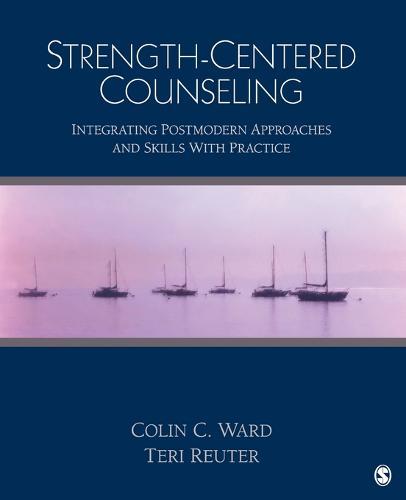
Integrates the most popular and most used counseling techniques into current teaching and practice. This text provides a frameworkfor the synthesis of postmodern theories of counseling. The cutting-edge Strength Centered Counseling model can be incorporated effectively with the more traditional models of counseling, resolving the ambiguity about how postmodernism fits into every day practice and results in more direct application of knowledge and skill sets for training in counselor education. Authors Colin Ward and Teri Reuter offer a practical and straightforward resource that presents clients with opportunities to look at life not only from a context of problems and adversity; but also of solutions, strengths, and hope.
Full Product Details
Author: Colin C. Ward ,
Teri Reuter
Publisher: SAGE Publications Inc
Imprint: SAGE Publications Inc
Dimensions:
Width: 18.70cm
, Height: 1.50cm
, Length: 23.10cm
Weight: 0.400kg
ISBN: 9781412973298
ISBN 10: 1412973295
Pages: 216
Publication Date: 14 September 2010
Audience:
College/higher education
,
Postgraduate, Research & Scholarly
Format: Paperback
Publisher's Status: No Longer Our Product
Availability: In Print

This item will be ordered in for you from one of our suppliers. Upon receipt, we will promptly dispatch it out to you. For in store availability, please contact us.
Author Information
Colin Ward’s Strength-Centered Counseling reflects over two decades of clinical and academic experience. Frustrated by the limitations of traditional approaches to counseling for influencing enduring change with clients, Dr. Ward sought out additional training in postmodern approaches. He continued, both in school and private practice settings, discovering the phases of Strength-Centered Counseling and then developing effective techniques and interventions for working with clients to engage hope, identify strengths, and develop resilient life patterns. Dr. Ward is currently a counselor educator and supervisor at Central Michigan University. He received his B.S. in Education and Special Education from the University of Northern Colorado in 1983, his M.S. in Counseling from Winona State University in 1988, and his Ph.D. in Counseling from Oregon State University in 1997. In addition to strength-centered counseling, his other interests include wellness counseling, school counselor training, advocacy and professional leadership, counseling supervision, family therapy, and public policy for promoting the counseling profession and social mental health. Teri Reuter′s wide range of professional and personal experiences have led her to believe in the transformational power of a Strength-Centered approach to counseling. Ms. Reuter has taught Communication courses at the university level for over twenty years, and in that time, she and her family have lived in many different places, both in the United States and Europe. Living in, working in, and adjusting to these varied cultures has helped her recognize the value of identifying one′s own strengths and developing resiliency. In collaborating with Colin Ward, Ms. Reuter has refined her philosophies into practical guidelines to help her and other counselors work with clients in broadening their strengths and meet life challenges. In 1989, Ms. Reuter graduated from the University of Florida with a B.A. in Communication Studies, and in 1991 she earned an M.A. in Communication Processes and Disorders and a Graduate Certificate in Gerontology. She received her M.A. in Counseling from Oakland University in 2008. Currently, Teri Reuter is a counselor in Orlando, FL.