Overview
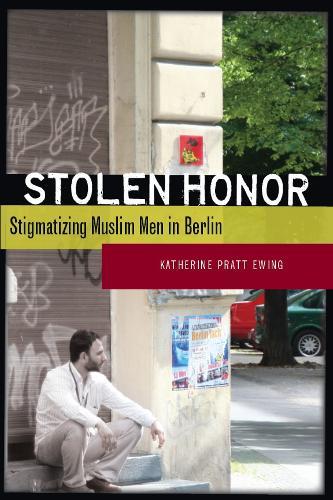
The covered Muslim woman is a common spectacle in Western media-a victim of male brutality, the oppressed and suffering wife or daughter. And the resulting negative stereotypes of Muslim men, stereotypes reinforced by the post-9/11 climate in which he is seen as a potential terrorist, have become so prominent that they influence and shape public policy, citizenship legislation, and the course of elections across Europe and throughout the Western world. In this book, Katherine Pratt Ewing asks why and how these stereotypes-what she terms ""stigmatized masculinity""-largely go unrecognized, and examines how Muslim men manage their masculine identities in the face of such discrimination. The author focuses her analysis and develops an ethnographic portrait of the Turkish Muslim immigrant community in Germany, a population increasingly framed in the media and public discourse as in crisis because of a perceived refusal of Muslim men to assimilate. Interrogating this sense of crisis, Ewing examines a series of controversies-including honor killings, headscarf debates, and Muslim stereotypes in cinema and the media-to reveal how the Muslim man is ultimately depicted as the ""abjected other"" in German society.
Full Product Details
Author: Katherine Pratt Ewing
Publisher: Stanford University Press
Imprint: Stanford University Press
Edition: New edition
Dimensions:
Width: 15.20cm
, Height: 1.60cm
, Length: 22.90cm
Weight: 0.399kg
ISBN: 9780804759007
ISBN 10: 0804759006
Pages: 296
Publication Date: 12 May 2008
Audience:
General/trade
,
General
Format: Paperback
Publisher's Status: Active
Availability: In Print

This item will be ordered in for you from one of our suppliers. Upon receipt, we will promptly dispatch it out to you. For in store availability, please contact us.
Reviews
This is a highly original book that must be read by anyone interested in Muslims in Europe. Ewing flips the usual questions about discourses on honor and the 'oppression' of Muslim women to focus on their obverse: the stigmatization of Muslim men. Brilliantly linking media representations to the social worlds of Turkish origin men in Germany, she provides, ultimately, a devastating analysis of the fantasies that animate the German national imaginary. --Lila Abu-Lughod, Columbia University, author of Writing Women's<br>Worlds and Dramas of Nationhood
This is a highly original book that must be read by anyone interested in Muslims in Europe. Ewing flips the usual questions about discourses on honor and the 'oppression' of Muslim women to focus on their obverse: the stigmatization of Muslim men. Brilliantly linking media representations to the social worlds of Turkish origin men in Germany, she provides, ultimately, a devastating analysis of the fantasies that animate the German national imaginary. -Lila Abu-Lughod, Columbia University, author of Writing Women's Worlds and Dramas of Nationhood Considering the case of Turkish Muslims in Germany, Ewing's inventive exploration of fear, stereotypes, assimilation, community, conflict, and cultural discourses should be mandatory reading. The processes she uncovers are of central relevance in the world today. -Aisha Khan, New York University
Considering the case of Turkish Muslims in Germany, Ewing's inventive exploration of fear, stereotypes, assimilation, community, conflict, and cultural discourses should be mandatory reading. The processes she uncovers are of central relevance in the wor
Author Information
Katherine Pratt Ewing is Associate Professor of Cultural Anthropology and Religion at Duke University. She is the author of Arguing Sainthood: Modernity, Psychoanalysis and Islam and the editor of Being and Belonging: Muslims in the US since 9/11.