|
|
|||
|
||||
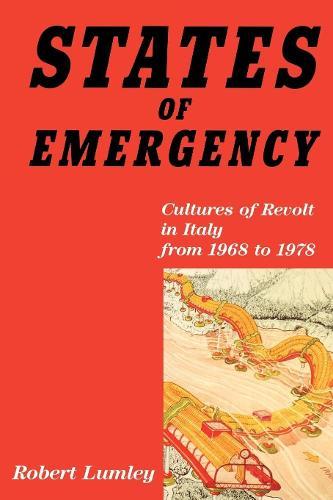
OverviewThe student protests of 1968, followed by the Hot Autumn factory strikes of 1969, shook the foundations of the Italian Republic. They also prepared the way for a whole decade of intense and widespread social conflict-a decade in which militant social movements arose with new aspirations, centered on protagonists such as women, young people and the unemployed. States of Emergency provides a vivid reconstruction of the events and movements of that period-from the students of 1968 to the Autonomists of 1977. The book's title evokes both the emergence of new social subjects and the crises they provoked in the social order. But Lumley also looks at the paradoxes and contradictions of the movements, their creative potential and ultimate failure. The political debates which they initiated soon became part of the agenda of the Left internationally. Drawing on the work of theorists such as Umberto Eco, Alberto Melucci, Norberto Bobbio and Antonio Negri, States of Emergency is a vital contribution not only to Italy's social history but to contemporary political discussion. Full Product DetailsAuthor: Robert LumleyPublisher: Verso Books Imprint: Verso Books Edition: illustrated edition Dimensions: Width: 12.70cm , Height: 2.00cm , Length: 20.30cm Weight: 0.559kg ISBN: 9780860919698ISBN 10: 0860919692 Pages: 396 Publication Date: 17 April 1990 Audience: College/higher education , Professional and scholarly , Undergraduate , Postgraduate, Research & Scholarly Format: Paperback Publisher's Status: Active Availability: In Print This item will be ordered in for you from one of our suppliers. Upon receipt, we will promptly dispatch it out to you. For in store availability, please contact us. Table of ContentsReviewsShows an extraordinary capacity to combine cultural, intellectual and social history ... A fascinating account of the wonders and follies of the most important period of collective action in twentieth-century Italian history. --Paul Ginsborg Of the utmost interest both for historians and for a larger public, in its capacity to look with a 'cultural eye' at transformations usually considered from a social or political point of view. --Luisa Passerini Shows an extraordinary capacity to combine cultural, intellectual and social history ... A fascinating account of the wonders and follies of the most important period of collective action in twentieth-century Italian history. -Paul Ginsborg Of the utmost interest both for historians and for a larger public, in its capacity to look with a 'cultural eye' at transformations usually considered from a social or political point of view. -Luisa Passerini Author InformationTab Content 6Author Website:Countries AvailableAll regions |
||||