|
|
|||
|
||||
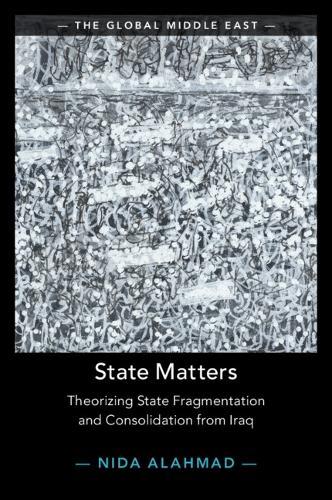
OverviewWhy does the state matter to its people? How do people know and experience the state? And how did the state come to be both desired and dreaded by its subjects? This study offers a historically grounded social theoretical account of state consolidation in Iraq, from the foundation of the country as a League of Nations British Mandate in 1921 through to the post-2003 era. Through analysis of key historical episodes of state consolidation (and fragmentation) during the past century, Nida Alahmad argues that consolidation rests on two sequential and interdependent factors. First, domination: the state's capacity to dominate land and population. Second, legitimation: whereby the state is accepted and expected by the population to be the final arbitrator of collective life based on common principles. Moving between intellectual traditions and disciplines, Alahmad demonstrates that a theorization of state consolidation is a theorization of the modern state. Full Product DetailsAuthor: Nida Alahmad (University of Edinburgh)Publisher: Cambridge University Press Imprint: Cambridge University Press Weight: 0.250kg ISBN: 9781009673952ISBN 10: 1009673955 Pages: 258 Publication Date: 19 March 2026 Audience: General/trade , General Format: Paperback Publisher's Status: Active Availability: Manufactured on demand We will order this item for you from a manufactured on demand supplier. Table of ContentsReviewsAuthor InformationNida Alahmad is a Senior Lecturer at the University of Edinburgh. Her research interests connect social theory with Middle East politics. Alahmad has published in journals including Constellations and Humanity and contributed to volumes including A Critical Political Economy of the Middle East and North Africa (Stanford University Press, 2020). Tab Content 6Author Website:Countries AvailableAll regions |
||||