|
|
|||
|
||||
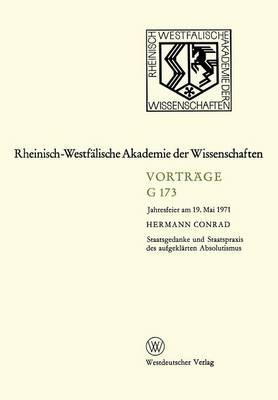
OverviewIn 1740, two monarchs acceeded to the throne: in Prussia it was King Frederic II, surnamed the Great (1740-1786) and in Austria the Empress Maria Theresia (1740-1780). This signified for both states the breakthrough of the state theory founded on rationalism and naturallaw which, in the final analysis, can be traced back in Germany to Samuel Baron von Pufen- dorf (1632-1694). It superseded the older baroque concept of the state based on religious and patriarchal aspects. In Prussia, Frederic the Great identified hirns elf in his own works with this new concept of the state. Toward the end of the century it was evolved by the Privy Councillor and Tribunal Advisor (Geh. ]ustiz- und Ober- tribunalsrat) Carl Gottlieb Suarez (1746-1798) in his lectures on Law and the State which he held for the information of the Prussian Crown Prince who later became King Friedrich Wilhelm III (1797-1840). Moreover, Suarez was the virtual author of the ""Allgemeines Landrecht für die Preußischen Staaten"" of 1794, in which the new concept of the state found its legal expreSSlOn. Full Product DetailsAuthor: Hermann ConradPublisher: Springer Fachmedien Wiesbaden Imprint: VS Verlag fur Sozialwissenschaften Edition: 1971 ed. Volume: 173 Dimensions: Width: 17.00cm , Height: 0.40cm , Length: 24.40cm Weight: 0.147kg ISBN: 9783531071732ISBN 10: 3531071734 Pages: 70 Publication Date: 01 January 1971 Audience: Professional and scholarly , Professional & Vocational Format: Paperback Publisher's Status: Active Availability: In Print This item will be ordered in for you from one of our suppliers. Upon receipt, we will promptly dispatch it out to you. For in store availability, please contact us. Language: German Table of ContentsBegrüßungsansprache.- Staatsgedanke und Staatspraxis des aufgeklärten Absolutismus.- Vorwort.- Summary.- Résumé.ReviewsAuthor InformationTab Content 6Author Website:Countries AvailableAll regions |
||||