|
|
|||
|
||||
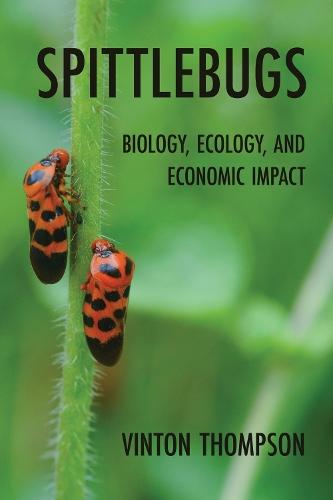
OverviewSpittlebugs is a comprehensive introduction to an economically important but relatively little-known group of insects of the superfamily Cercopoidea. Spittlebugs are found across all continents except Antarctica. Although harmless to a majority of their host plants, several species have become significant pests of sugarcane and pasture grasses in Latin America, and others carry a disease deadly to olive trees in Italy, leading to increasing interest in understanding these fascinating organisms and their unique biological and ecological traits. There are approximately 2,500 known species of spittlebugs, so named for the protective ""spittles"" made by spittlebug nymphs. Living on leaves, stems, or roots, these immature insects suck and excrete plant sap that they then fill with tiny bubbles to create a foamy goo. Nymphs and adults excrete hundreds of times their body weight of spittle each day, but this isn't their only talent. They're incredible jumpers relative to their size, and some species excrete a smelly liquid when attacked. They also exhibit aposematism, or warning coloration – a trait generously illustrated in a sixteen-page color gallery. With its rich mix of detailed biology and natural history, Spittlebugs is a valuable resource for anyone looking to know more about these unique bugs and their widespread influences. Full Product DetailsAuthor: Vinton ThompsonPublisher: Cornell University Press Imprint: Comstock Publishing Associates Dimensions: Width: 15.20cm , Height: 3.10cm , Length: 22.90cm ISBN: 9781501786099ISBN 10: 1501786091 Pages: 360 Publication Date: 15 May 2026 Audience: Professional and scholarly , Professional & Vocational Format: Hardback Publisher's Status: Active Availability: Not yet available This item is yet to be released. You can pre-order this item and we will dispatch it to you upon its release. Table of ContentsReviewsAuthor InformationVinton Thompson has a PhD from University of Chicago and has held academic and administrative positions at Roosevelt University, Kean University, and Metropolitan College of New York. He is now affiliated with the American Museum of Natural History. Tab Content 6Author Website:Countries AvailableAll regions |
||||