|
|
|||
|
||||
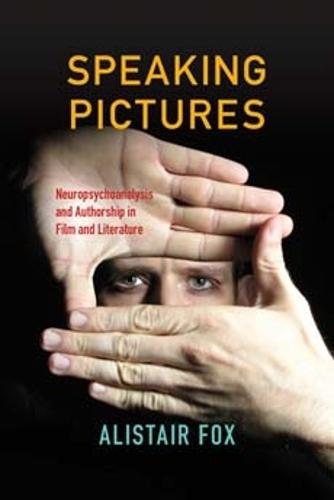
OverviewAlistair Fox presents a theory of literary and cinematic representation through the lens of neurological and cognitive science in order to understand the origins of storytelling and our desire for fictional worlds. Fox contends that fiction is deeply shaped by emotions and the human capacity for metaphorical thought. Literary and moving images bridge emotional response with the cognitive side of the brain. In a radical move to link the neurosciences with psychoanalysis, Fox foregrounds the interpretive experience as a way to reach personal emotional equilibrium by working through autobiographical issues within a fictive form. Full Product DetailsAuthor: Alistair FoxPublisher: Indiana University Press Imprint: Indiana University Press Dimensions: Width: 15.20cm , Height: 1.80cm , Length: 22.90cm Weight: 0.399kg ISBN: 9780253020918ISBN 10: 0253020913 Pages: 310 Publication Date: 21 March 2016 Audience: Professional and scholarly , Professional & Vocational Format: Paperback Publisher's Status: Active Availability: Manufactured on demand We will order this item for you from a manufactured on demand supplier. Table of ContentsAcknowledgments Introduction 1. Changing Configurations in Theories of Fictive Representation 2. Why Does Fictive Representation Exist? 3. The Wellsprings of Fictive Creativity 4. The Materials of Fictive Invention 5. The Informing Role of Fantasy 6. The Shaping of Fictive Scenarios by the Author: Motivations, Strategies, and Outcomes 7. The Exploitation of Generic Templates and Intertexts as Vehicles for Affect-Regulation 8. Theories of Reception in the Twentieth and Twenty-First Centuries 9. A Neuropsychoanalytic Theory of Reception 10. Intersubjective Attunement, Filiation and the Re-creative Process: Jules and Jim—from Henri-Pierre Roché to Francois Truffaut 11. The Conversion of Autobiographical Emotion into Symbolic Figuration: William Shakespeare's Hamlet 12. Tracking a Personal Myth through an Oeuvre: the Films of François Ozon Conclusion Filmography Select Bibliography IndexReviews"""Very rich argumentation that progressively constructs its object, shifting with much skill from the conceptual elaboration of its global perspective to the various concrete examples of works approached so to give it flesh and blood."" -Raymond Bellour, film critic, theorist, and author of The Analysis of Film" Very rich argumentation that progressively constructs its object, shifting with much skill from the conceptual elaboration of its global perspective to the various concrete examples of works approached so to give it flesh and blood. -Raymond Bellour, film critic, theorist, and author of The Analysis of Film Author InformationAlistair Fox is Professor Emeritus of English at the University of Otago, New Zealand. He is author of Jane Campion: Authorship and Personal Cinema (IUP, 2011), translator of Anne Gillain's François Truffaut: The Lost Secret (IUP, 2013), and editor (with Raphaëlle Moine, Hilary Radner, and Michel Marie) of A Companion to Contemporary French Cinema. Tab Content 6Author Website:Countries AvailableAll regions |
||||