|
|
|||
|
||||
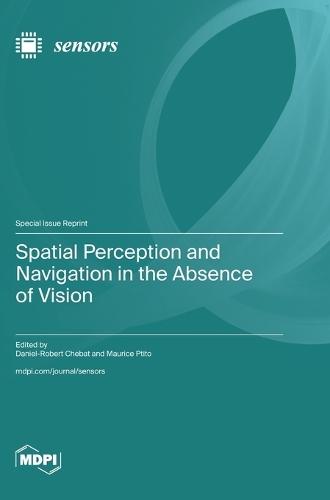
OverviewIn congenital blindness (CB), tactile and auditory information can be reinterpreted by the brain to compensate for visual information through mechanisms of brain plasticity triggered by training. Visual deprivation does not cause a cognitive spatial deficit since blind people are able to acquire spatial knowledge about the environment. However, this spatial competence takes longer to achieve but is eventually reached through training-induced plasticity. Even though complete visual deprivation leads to volumetric reductions in brain structures associated with spatial learning, blind individuals are still able to navigate. However, the neural structures involved in this function are not fully understood. In this Special Issue, leading experts in the field contributed reviews and original research on spatial navigation in the absence of vision from a variety of approaches to advance our understanding of multisensory spatial knowledge acquisition. We further show that people who are congenitally blind, late blind, and sighted use multisensory information to perceive spatial information. Full Product DetailsAuthor: Daniel-Robert Chebat , Maurice PtitoPublisher: Mdpi AG Imprint: Mdpi AG Dimensions: Width: 17.00cm , Height: 1.60cm , Length: 24.40cm Weight: 0.572kg ISBN: 9783725872367ISBN 10: 3725872368 Pages: 170 Publication Date: 09 April 2026 Audience: General/trade , General Format: Hardback Publisher's Status: Active Availability: Available To Order We have confirmation that this item is in stock with the supplier. It will be ordered in for you and dispatched immediately. Table of ContentsReviewsAuthor InformationTab Content 6Author Website:Countries AvailableAll regions |
||||