|
|
|||
|
||||
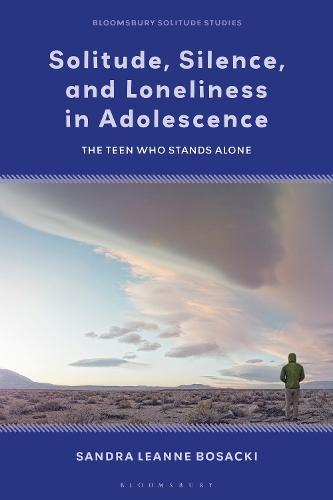
OverviewThis book explores adolescents’ (10-18 years) experiences of silence, solitude, loneliness within the school setting. Although many studies explore social withdrawal and loneliness in adolescence, little is known about young people’s experiences of solitude as a state of being alone. This book ties together cutting-edge research from developmental psychology and education on solitude in adolescence, and opens the way to a pedagogy of solitude and well-being. Sandra Leanne Bosacki explores concerns about how adolescents learn social and solitude skills and the extent to which such skills are harmful or helpful, including self-control and regulation, and self-compassion. The book further explores implications of solitude studies for practice and provides recommendations for future research and education. Holistic models of education are encouraged to promote a balance of social and solitude skills that combines social management with self-regulation and self-compassion. Full Product DetailsAuthor: Professor Sandra Leanne Bosacki (Brock University, Canada) , Julian Stern (Bishop Grosseteste University UK) , Dat Bao (Monash University Australia) , Axel Seemann (Bentley University USA)Publisher: Bloomsbury Publishing PLC Imprint: Bloomsbury Academic Dimensions: Width: 15.60cm , Height: 2.50cm , Length: 23.40cm Weight: 0.454kg ISBN: 9781350345706ISBN 10: 1350345709 Pages: 240 Publication Date: 28 May 2026 Audience: Professional and scholarly , College/higher education , Adult education , Professional & Vocational , Tertiary & Higher Education Format: Paperback Publisher's Status: Forthcoming Availability: Manufactured on demand Table of ContentsSeries Editors’ Foreword Introduction: Solitude in Adolescence 1. Motivations and Preferences for Solitude 2. Identity Exploration and Experiences of Silence and Aloneness 3. Solitude and Silence, Loneliness within Context 4. Solitude, Identity, and Well-Being 5. Computers, Aloneness, and Silence 6. World and Beyond 7. Schooling for Solitude Skills Conclusions and Future Footsteps References IndexReviews""Bosacki's argument that dialogue with oneself is in some ways equivalent to dialogue with others casts a new light on the old question of solitude and loneliness. Self-dialogue is a constructive way of being alone with oneself."" --David R. Olson, University Professor Emeritus, OISE/University of Toronto, Canada Author InformationSandra Leanne Bosacki is a Professor in the Department of Educational Studies at Brock University, Canada, and serves as Assistant Editor of Journal of Adolescence. Tab Content 6Author Website:Countries AvailableAll regions |
||||