|
|
|||
|
||||
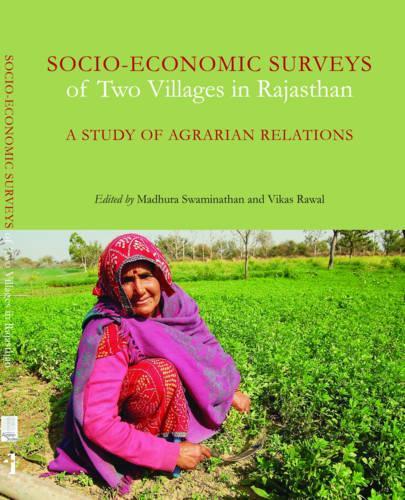
OverviewThis is the second in a series of field reports on village surveys conducted by the Foundation for Agrarian Studies. This report deals with agrarian relations in two villages of Rajasthan: Rewasiin Sikar district and 25 F Gulabewala in Sri Ganganagar district. It presents an analysis of statistical data collected through census-type surveys conducted in both villages. The focus of the study is on differences across socio-economic classes and social groups in respect of a rang eof variables, including land, assets, incomes, crop production, employment, indebtedness, schooling, and housing. The report attempts to contribute to the discussion on agrarian relations and economic distress in contemporary rural Rajasthan and India. Full Product DetailsAuthor: Madhura Swaminathan , Vikas RawalPublisher: Tulika Books Imprint: Tulika Books Dimensions: Width: 18.00cm , Height: 1.10cm , Length: 23.30cm Weight: 0.292kg ISBN: 9789382381679ISBN 10: 9382381678 Pages: 180 Publication Date: December 2015 Audience: Professional and scholarly , Professional & Vocational Format: Paperback Publisher's Status: Active Availability: In Print This item will be ordered in for you from one of our suppliers. Upon receipt, we will promptly dispatch it out to you. For in store availability, please contact us. Language: English Table of ContentsReviewsAuthor InformationThe Foundation for Agrarian Studies is a charitable trust based in India and established in 2003. Its major objectives are to facilitate and sponsor multi-disciplinary theoretical and empirical enquiry in the field of agrarian studies in India and elsewhere in less-developed countries. It does so in association with a wide section of people interested in the agrarian question, including persons associated with academic institutions, social and political activists, members of mass organisations working in the countryside, and other professionals and scholars. Since 2005, a major activity of the Foundation has been an India-wide programme of village studies, titled the Project on Agrarian Relations in India (PARI). The Project has covered 22 villages across 10 States. It involves description and analysis, and the creation of a detailed database on village India in diverse agro-ecological and socio-economic regions of the country. Tab Content 6Author Website:Countries AvailableAll regions |
||||