Overview
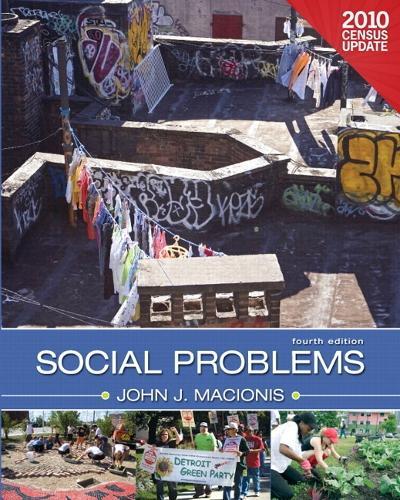
Frames social problems and solutions through politics Macionis's book is the only social problems text that explains how society frames social problems and solutions through politics. The text analyzes social issues and policies, using the concepts of sociological theory and the everyday language of politics. It also helps students understand the attitudes and values that define the political spectrum in the United States. Once students know how social problems are defined by our society through politics, and how the policies to solve these problems are developed, they can become involved in solving social problems through activism and political involvement. The Census Update program incorporates 2010 Census data into a course–simply and easily. The components of the Census Update Program include an updated census edition with all charts and graphs–to reflect the results of the 2010 Census. In addition, A Short Introduction to the U.S. Census is available and an updated MySocLab. Teaching & Learning Experience Personalize Learning – MySocLab delivers proven results in helping students succeed, provides engaging experiences that personalize learning, and comes from a trusted partner with educational expertise and a deep commitment to helping students and instructors achieve their goals. Improve Critical Thinking – Chapter organization follows a logical framework that traces a problem from its origin to solution. Engage Students – International, national, and personal examples help students understand iessues better. Explore Theory – Major sociological theories and how they explain each social problem are discussed. Understand Diversity – Features help students think globally about defining a solution to social problems. Support Instructors – The only Social Problems text with an annotated instructor’s edition. Also, author-written test bank provides the best support for instructors. Note: MySocLab does not come automatically packaged with this text. To purchase MySocLab, please visit: www.mysoclab.com or you can purchase a ValuePack of the text + MySocLab (at no additional cost). ValuePack ISBN-10: 0205172318 / ValuePack ISBN-13: 9780205172313
Full Product Details
Author: John J. Macionis
Publisher: Pearson Education (US)
Imprint: Pearson
Edition: 4th edition
Dimensions:
Width: 21.60cm
, Height: 2.00cm
, Length: 27.60cm
Weight: 0.984kg
ISBN: 9780205164912
ISBN 10: 0205164919
Pages: 552
Publication Date: 21 February 2012
Audience:
College/higher education
,
Tertiary & Higher Education
Replaced By: 9780205949199
Format: Paperback
Publisher's Status: Out of Print
Availability: In Print 
Limited stock is available. It will be ordered for you and shipped pending supplier's limited stock.
Table of Contents
IN THIS SECTION: 1.) BRIEF 2.) COMPREHENSIVE BRIEF TABLE OF CONTENTS: Part I: Sociology’s Basic Approach Chapter 1: Sociology: Studying Social Problems Part II: Problems of Social Inequality Chapter 2: Poverty and Wealth Chapter 3: Racial and Ethnic Inequality Chapter 4: Gender Inequality Chapter 5: Aging and Inequality Part III: Problems of Deviance, Conformity, and Well-Being Chapter 6: Crime, Violence, and Criminal Justice Chapter 7: Sexuality Chapter 8: Alcohol and Other Drugs Chapter 9: Physical and Mental Health Part IV: Problems of Social Institutions Chapter 10: Economy and Politics Chapter 11: Work and the Workplace Chapter 12: Family Life Chapter 13: Education Chapter 14: Urban Life Chapter 15: Population and Global Inequality Chapter 16: Technology and the Environment Chapter 17: War and Terrorism COMPREHENSIVE TABLE OF CONTENTS: (Every chapter ends with: Going On from Here, Defining Solutions, Getting Involved: Applications & Exercises, Making the Grade, Visual Summary, and Sample Test Questions) Preface Part I: Sociology’s Basic Approach Chapter 1: Sociology: Studying Social Problems Constructing the Social Problem Seeing Patterns: The Sociological Imagination Social Problems: The Basics Beyond Our Borders: A Global Perspective Analyzing Social Problems: Sociological Theory Finding the Facts: Sociological Research Responding to Social Problems: Social Policy Politics: Constructing Problems and Defining Solutions Constructing the Social Problem: A Defining Moment A Call to Action: The Message of Martin Luther King Jr. Part II: Problems of Social Inequality Chapter 2: Poverty and Wealth Constructing the Social Problem Economic Inequality in the United States The Rich and the Poor: A Social Profile Problems Linked to Poverty Responding to Poverty: The Welfare System Constructing the Social Problem: A Defining Moment U.S. Society Discovers Poverty Theoretical Analysis: Understanding Poverty Politics and Poverty: Constructing Problems and Defining Solutions Chapter 3: Racial and Ethnic Inequality Constructing the Social Problem Race and Ethnicity Patterns of Majority-Minority Interaction Constructing the Social Problem: A Defining Moment Rosa Parks: Saying No to Segregation The Social Standing of U.S. Minorities Prejudice Discrimination Theoretical Analysis: Understanding Racial and Ethnic Inequality Politics, Race, and Ethnicity: Constructing Problems and Defining Solutions Chapter 4: Gender Inequality Constructing the Social Problem What Is Gender? Gender and Social Institutions Gender Stratification Theoretical Analysis: Understanding Gender Inequality Feminism Constructing the Social Problem: A Defining Moment Elizabeth Cady Stanton: Claiming Women’s Right to Equality Politics and Gender: Constructing Problems and Defining Solutions Chapter 5: Aging and Inequality Constructing the Social Problem Growing Old The Graying of the United States Problems of Aging Constructing the Social Problem: A Defining Moment A Good Death: Cicely Saunders and Hospice Theoretical Analysis: Understanding Aging and Inequality Politics and Aging: Constructing Problems and Defining Solutions Part III: Problems of Deviance, Conformity, and Well-Being Chapter 6: Crime, Violence, and Criminal Justice Constructing the Social Problem Norms, Law, and Crime Crime: The Extent of the Problem “Street Crime”: Who Are the Criminals? Other Dimensions of the Crime Problem Violence Constructing the Social Problem: A Defining Moment U.S. Society Discovers Child Abuse The Criminal Justice System Explaining Crime: Biological and Psychological Theories Explaining Crime: Sociological Theories Politics and Crime: Constructing Problems and Defining Solutions Chapter 7: Sexuality Constructing the Social Problem What Is Sex? Sexual Attitudes in the United States Constructing the Social Problem: A Defining Moment Alfred Kinsey: Talking Openly about Sex Sexual Orientation Pornography Sexual Harassment Prostitution Teenage Pregnancy Abortion Sexually Transmitted Diseases Theoretical Analysis: Understanding Sexuality Politics and Sexuality: Constructing Problems and Defining Solutions Chapter 8: Alcohol and Other Drugs Constructing the Social Problem What Is a Drug? The Extent of Drug Use Types of Drugs Drugs and Other Social Problems Social Policy: Responding to the Drug Problem Constructing the Social Problem: A Defining Moment Bill Wilson: Alcoholics Can Learn to Be Sober Theoretical Analysis: Understanding Drug-Related Social Problems Politics and Drugs: Constructing Problems and Defining Solutions Chapter 9: Physical and Mental Health Constructing the Social Problem Health and Illness: A Global Perspective Health Policy: Paying for Care Health Care in the United States: A System in Crisis? Mental Health and Illness Constructing the Social Problem: A Defining Moment Dorothea Dix: Mentally Ill People Deserve Our Help Theoretical Analysis: Understanding Health Problems Politics and Health: Constructing Problems and Defining Solutions Part IV: Problems of Social Institutions Chapter 10: Economy and Politics Constructing the Social Problem Economic Systems: Defining Justice, Defining Problems The Economy and Politics Problems of the U.S. Political Economy Constructing the Social Problem: A Defining Moment Store Wars: Is Wal-Mart the Problem or the Solution? Theoretical Analysis: Understanding Economic and Political Problems Politics and the Economy: Constructing Problems and Defining Solutions Chapter 11: Work and the Workplace Constructing the Social Problem The Importance of Work Structural Changes in the U.S. Economy Other Problems of the U.S. Workplace Constructing the Social Problem: A Defining Moment Eugene Debs: Standing Up for the Union New Information Technology: The Brave New Workplace Theoretical Analysis: Understanding Work-Related Problems Politics and the Workplace: Constructing Problems and Defining Solutions Chapter 12: Family Life Constructing the Social Problem What Is a Family? Controversies over Family Life Constructing the Social Problem: A Defining Moment Same-Sex Marriage: The Massachusetts Decision Theoretical Analysis: Understanding Family Problems Politics and Family Life: Constructing Problems and Defining Solutions Chapter 13: Education Constructing the Social Problem Problems of Education: A Global Perspective Problems with U.S. Education Constructing the Social Problem: A Defining Moment Linda Brown: Fighting to Desegregate the Schools Theoretical Analysis: Understanding Educational Problems Politics and Education: Constructing Problems and Defining Solutions Chapter 14: Urban Life Constructing the Social Problem Cities: Then and Now Problems of Today’s Cities Constructing the Social Problem: A Defining Moment Jacob Riis: Revealing the Horror of the Tenements Theoretical Analysis: Understanding Urban Problems Politics and Urban Life: Constructing Problems and Defining Solutions Part V: Global Problems Chapter 15: Population and Global Inequality Constructing the Social Problem Global Population Increase Constructing the Social Problem: A Defining Moment Thomas Robert Malthus: Claiming Population Is a Problem Global Inequality Theoretical Analysis: Understanding Global Inequality Politics and Global Inequality: Constructing Problems and Defining Solutions Chapter 16: Technology and the Environment Constructing the Social Problem Ecology: Studying the Natural Environment Environmental Problems Constructing the Social Problem: A Defining Moment Rachel Carson: Sounding an Environmental Wake-Up Call Theoretical Analysis: Understanding Environmental Problems Politics and the Environment: Constructing Problems and Defining Solutions Chapter 17: War and Terrorism Constructing the Social Problem War and Peace: Basic Definitions Terrorism Constructing the Social Problem: A Defining Moment Mohandas Gandhi: Spreading a Message of Peace Theoretical Analysis: Understanding War and Terrorism Politics and War: Constructing Problems and Defining Solutions Glossary References Photo Credits About the Author Name Index Subject Index
Reviews
General Thoughts I prefer to relate text topics to current events both local and global. This text does a nice job of including topics that would provide fodder for good discussion and bring reality to the classroom. Linda Aaberg, Hennepin Technical College I would recommend this book to anyone. The book introduces some very thought-provoking ideas and is comparable to life as a whole. I believe the author has done an excellent job with presenting the ideas of sociology from a social construct point of view. It is very up-to-date and I will be using it in the future. Christina Cowen, Wayne State University Writing Style This is a text that I have been using for the past 5 years [the third edition]. I would not use any other social problems book. This text really teaches students about the social problems from many different perspectives. Excellent book to use Deidre Tyler, Salt Lake Community College Macionis has written this text with the student in mind. He does not talk down to the student, nor does he try to beat the student over the head with the material. He writes with respect, but also with a sincere desire to teach and inform the student!Macionis strikes a good balance. Dr. Clay A Hipke, University of Florida !this is a well done social problems text and I believe sincerely that virtually any professor could use this to good effect independently of how they structure their course. Craig M. Eckert, Eastern Illinois University The text is readable and easy to follow for students, and is presented in a way to encourage them to critically think, engage in the learning process, and make meaningful real-life connections. Dr. Jewrell Rivers, Abraham Baldwin Agricultural College The author has a unique writing style in which a first year student can comprehend the materials and follow along with a veteran instructor. The material is college level appropriate without being biased, blameful, and narrow. Christina Cowen, Wayne State University Organization I am very impressed with the organizational scheme of the text. It is very sound and logical in order. Dr. Jewrell Rivers, Abraham Baldwin Agricultural College I think as an introductory text to sociology this is fair and balanced. Given the structure of the text and the internal connections, the author has already accomplished a great teaching resource. Black Hawk Hancock, DePaul University Diversity The diversity issues discussed in the text are exemplary. Christina Cowen, Wayne State University Charts and Tables The charts and tables are excellent. In fact, they are one of the better features of the text. Dr. Clay A. Hipke, University of Florida Getting Involved Feature This pedagogical element is most useful because it provides specific 'point questions' that allow for critical thinking as students read through the text and review key concepts. Dr. Jewrell Rivers, Abraham Baldwin Agricultural College
General Thoughts I prefer to relate text topics to current events both local and global. This text does a nice job of including topics that would provide fodder for good discussion and bring reality to the classroom. Linda Aaberg, Hennepin Technical College I would recommend this book to anyone. The book introduces some very thought-provoking ideas and is comparable to life as a whole. I believe the author has done an excellent job with presenting the ideas of sociology from a social construct point of view. It is very up-to-date and I will be using it in the future. Christina Cowen, Wayne State University Writing Style This is a text that I have been using for the past 5 years [the third edition]. I would not use any other social problems book. This text really teaches students about the social problems from many different perspectives. Excellent book to use Deidre Tyler, Salt Lake Community College Macionis has written this text with the student in mind. He does not talk down to the student, nor does he try to beat the student over the head with the material. He writes with respect, but also with a sincere desire to teach and inform the student...Macionis strikes a good balance. Dr. Clay A Hipke, University of Florida ...this is a well done social problems text and I believe sincerely that virtually any professor could use this to good effect independently of how they structure their course. Craig M. Eckert, Eastern Illinois University The text is readable and easy to follow for students, and is presented in a way to encourage them to critically think, engage in the learning process, and make meaningful real-life connections. Dr. Jewrell Rivers, Abraham Baldwin Agricultural College The author has a unique writing style in which a first year student can comprehend the materials and follow along with a veteran instructor. The material is college level appropriate without being biased, blameful, and narrow. Christina Cowen, Wayne State University Organization I am very impressed with the organizational scheme of the text. It is very sound and logical in order. Dr. Jewrell Rivers, Abraham Baldwin Agricultural College I think as an introductory text to sociology this is fair and balanced. Given the structure of the text and the internal connections, the author has already accomplished a great teaching resource. Black Hawk Hancock, DePaul University Diversity The diversity issues discussed in the text are exemplary. Christina Cowen, Wayne State University Charts and Tables The charts and tables are excellent. In fact, they are one of the better features of the text. Dr. Clay A. Hipke, University of Florida Getting Involved Feature This pedagogical element is most useful because it provides specific 'point questions, that allow for critical thinking as students read through the text and review key concepts. Dr. Jewrell Rivers, Abraham Baldwin Agricultural College
Author Information
John J. Macionis was born and raised in Philadelphia, Pennsylvania. He earned a bachelor’s degree from Cornell University and a doctorate in sociology from the University of Pennsylvania. John Macionis' publications are wide-ranging, focusing on community life in the United States, interpersonal intimacy in families, effective teaching, humor, new information technology, and the importance of global education. In addition, John Macionis and Nijole V. Benokraitis have edited the best-selling anthology Seeing Ourselves: Classic, Contemporary, and Cross-Cultural Readings in Sociology. Macionis and Vincent Parrillo have written the leading urban studies text, Cities and Urban Life (Pearson). Macionis’ most recent textbook is Social Problems (Pearson). John Macionis is Professor and Distinguished Scholar of Sociology at Kenyon College in Gambier, Ohio, where he has taught for almost thirty years. During that time, he has chaired the Sociology Department, directed the college’s multidisciplinary program in humane studies, presided over the campus senate and the college’s faculty, and taught sociology to thousands of students. In 2002, the American Sociological Association presented Macionis with the Award for Distinguished Contributions to Teaching, citing his innovative use of global material as well as the introduction of new teaching technology in his textbooks. Professor Macionis has been active in academic programs in other countries, having traveled to some fifty nations. He writes, “I am an ambitious traveler, eager to learn and, through the texts, to share much of what I discover with students, many of whom know little about the rest of the world. For me, traveling and writing are all dimensions of teaching. First, and foremost, I am a teacher–a passion for teaching animates everything I do.” At Kenyon, Macionis teaches a number of courses, but his favorite class is Introduction to Sociology, which he offers every semester. He enjoys extensive contact with students and invites everyone enrolled in each of his classes to enjoy a home-cooked meal. The Macionis family–John, Amy, and children McLean and Whitney–live on a farm in rural Ohio. In his free time, Macionis enjoys tennis, swimming, hiking, and playing oldies rock-and-roll (he recently released his first CD). Macionis is as an environmental activist in the Lake George region of New York’s Adirondack Mountains, working with a number of organizations, including the Lake George Land Conservancy, where he serves as president of the board of trustees.
Tab Content 6
Author Website:
Countries Available
All regions
|