|
|
|||
|
||||
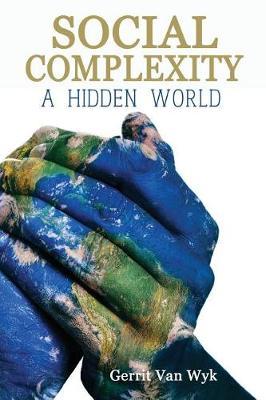
OverviewMost of us would agree that our human social world is complex, but what does that mean? There is a rich literature and tradition around human social dynamics and also around complexity, but both are largely founded on Enlightenment thinking and are significantly influenced by positivistic or post-positivistic paradigms. Consequently, we consciously experience and explain our human world and particularly the organizations and institutions we work for and encounter as rational, logical and predictable. But offstage in the background a lot goes on that we are normally not conscious of and that significantly shapes what we do, how we do it, how we interrelate, and how we cooperate or not. What this text sets out to do is to bring together fragments from various disciplines and connect them together into an explanation of what is hidden about our complex social world, which brings a new and different perspective to understanding what we do every day and why. The book is likely to be of interest to scholars who research and publish in the spheres of social and organizational studies. Full Product DetailsAuthor: Gerrit Van WykPublisher: Virtualbookworm.com Publishing Imprint: Virtualbookworm.com Publishing Dimensions: Width: 15.20cm , Height: 1.70cm , Length: 22.90cm Weight: 0.417kg ISBN: 9781621379782ISBN 10: 1621379787 Pages: 312 Publication Date: 05 June 2017 Audience: General/trade , General Format: Paperback Publisher's Status: Active Availability: Available To Order We have confirmation that this item is in stock with the supplier. It will be ordered in for you and dispatched immediately. Table of ContentsReviewsAuthor InformationGerrit Van Wyk's research interest is in understanding and explaining social complexity. He authored four books, holds master's degrees in health care, systems thinking and business administration, and spent time at the Complexity and Management Centre at the University of Hertfordshire learning about his interest. Tab Content 6Author Website:Countries AvailableAll regions |
||||