|
|
|||
|
||||
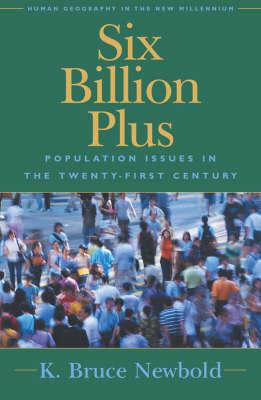
OverviewAn exploration of world population growth and its implications for the 21st century. With a population exceeding six billion at time of publication and expected to reach ten billion by the mid-century, the world's demographic situation is more critical than ever, by almost any measure. While the developed world faces its own problems with an ageing population and population decline, most of the growth will occur in the developing world. So the strongest factors shaping the global environment in the decades to come will include population fertility, social and economic impacts of the HIV/AIDS epidemic, legal and illegal immigration, and refugees. The implications are enormous; population growth exacerbates food and resource scarcities, places pressure on institutions, and promotes the potential for conflict. Drawing on a geographical perspective and using examples from around the world, this illustrated text should be suitable for population courses in geography as well as in areas such as economics, sociology and politics. Full Product DetailsAuthor: K. Bruce NewboldPublisher: Rowman & Littlefield Imprint: Rowman & Littlefield Dimensions: Width: 15.20cm , Height: 1.30cm , Length: 22.70cm Weight: 0.290kg ISBN: 9780742516175ISBN 10: 0742516172 Pages: 224 Publication Date: 21 May 2002 Audience: General/trade , General Format: Paperback Publisher's Status: Out of Print Availability: Awaiting stock Table of ContentsReviewsBruce Newbold provides a highly insightful perspective on the critical population issues emerging in this new century. Six Billion Plus is a rigorous and provocative analysis that will inspire students to read further. Newbold's geographic lens gives focus to the complexity of the factors underlying demographic trends as well as the far-reaching implications of population for us all, as global and community citizens.--Kraly, Ellen Percy Author InformationK. Bruce Newbold is associate professor of geography at McMaster University. Tab Content 6Author Website:Countries AvailableAll regions |
||||