|
|
|||
|
||||
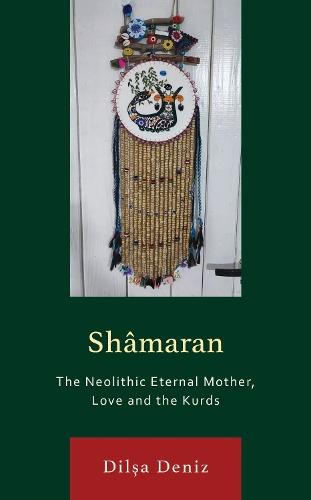
OverviewShâmaran: The Neolithic Eternal Mother, Love and the Kurds covers one of the earliest ancient figures of Mother Earth, Shâmaran, of the Zagros Mountains, which is at the crossroads of Iran, Anatolia, and Mesopotamia, and has historically been a melting pot of diverse groups, contributing to the formation of the Kurdish nation. This unique convergence has played a pivotal role in shaping the rich history, culture, language, and the very essence of their homeland, Kurdistan.Shâmaran is the significant religiocultural symbol, serving as a poignant embodiment of this heritage. The book meticulously documents, deconstructs and interprets Shâmaran's myth and her Neolithic image, recognizing their profound significance as manifestations of the Mother Earth Goddess.The study details the philosophy and symbolism of her faith, deciphers the content in the region within the existing pre-Islamic Kurdish religions namely Alevism, Yarsanism, and Êzidism and Kurdish culture as a whole. Full Product DetailsAuthor: Dilsa DenizPublisher: Bloomsbury Publishing Plc Imprint: Rowman & Littlefield ISBN: 9781498591270ISBN 10: 1498591272 Pages: 344 Publication Date: 30 April 2026 Audience: Professional and scholarly , Professional & Vocational Format: Paperback Publisher's Status: Active Availability: Manufactured on demand We will order this item for you from a manufactured on demand supplier. Table of ContentsIntroduction Shâmaran: The Myth and The Image Chapter I. Decolonization of Shâmaran Chapter II: Myths, History, Religion and Kurdish Context Chapter III :The Shâ: Mother Earth Goddess of Kurdistan Chapter IV: Deconstruction and Reconstruction: The Body and Content of Mother Earth Goddess of Kurdistan Chapter V: Shâmaran, Rêya Heqi /Kurdish Alevism, and Patriarchal Colonization Chapter VI: The Construction of Shaytan/Satan as an Ideological Instrument ConclusionReviewsAuthor InformationDilsa Deniz is Kurdish socio-cultural anthropologist with a specialization in Kurdish Alevism and Dersim, a pivotal center for Kurdish Alevism, Kurdish culture, indigeneity, and decolonization. Tab Content 6Author Website:Countries AvailableAll regions |
||||