|
|
|||
|
||||
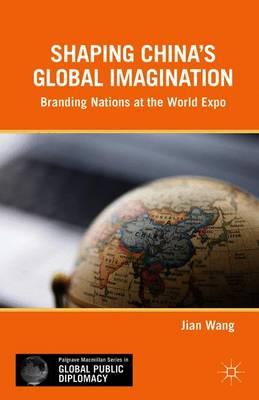
OverviewA comprehensive discussion of how countries embrace branding as a crucial element in their pursuit of soft power and why certain nation-branding efforts succeed while others fail through the example of the 2010 World Expo in Shanghai. Full Product DetailsAuthor: J. WangPublisher: Palgrave Macmillan Imprint: Palgrave Macmillan Dimensions: Width: 14.00cm , Height: 2.00cm , Length: 21.60cm Weight: 3.894kg ISBN: 9781137361714ISBN 10: 1137361719 Pages: 210 Publication Date: 18 December 2013 Audience: College/higher education , Postgraduate, Research & Scholarly Format: Hardback Publisher's Status: Active Availability: In Print This item will be ordered in for you from one of our suppliers. Upon receipt, we will promptly dispatch it out to you. For in store availability, please contact us. Table of ContentsContents Illustrations Preface 1. Soft Power, Nation Branding, and the World Expo 2. Branding Nations 3. The Shanghai Expo as a Site for Nation Branding 4. Defining Nation Brands 5. Communicating Nation Brands 6. Experiencing Nation Brands 7. Remembering Nation Brands 8. Nation Branding as Strategic Narrative 9. Nation Branding: Perspectives, Practices, and Prospects Coda NotesReviewsWang's writing style is analytically clear and engaging, and raises a certain curiosity in the subject itself. The book combines three issues that are of great interest: China's rise and role in international politics; our perceptions of China; and the role of nation branding (in this book through the prism of the Shanghai Expo). The advantage of a book like this is that it will not just be relevant for China specialists, but also for IR and communication scholars. The clarity of writing makes it accessible and of use in advanced undergraduate courses. I see no real competition for Shaping China's Global Imagination. ' - Peter Van Ham, Netherlands Institute of International Relations ""Wang's writing style is analytically clear and engaging, and raises a certain curiosity in the subject itself. The book combines three issues that are of great interest: China's rise and role in international politics; our perceptions of China; and the role of nation branding (in this book through the prism of the Shanghai Expo). The advantage of a book like this is that it will not just be relevant for China specialists, but also for IR and communication scholars. The clarity of writing makes it accessible and of use in advanced undergraduate courses. I see no real competition for Shaping China's Global Imagination.""' - Peter Van Ham, Netherlands Institute of International Relations Author InformationJian Wang is director of the Center on Public Diplomacy and associate professor at the Annenberg School for Communication and Journalism, University of Southern California, USA Tab Content 6Author Website:Countries AvailableAll regions |
||||