Overview
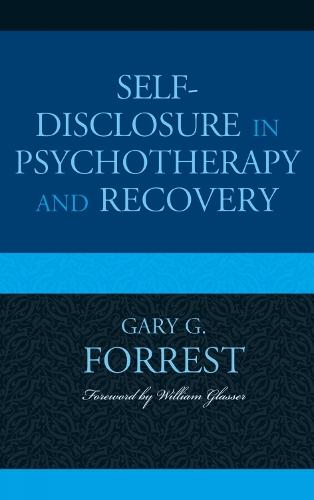
Self-Disclosure in Psychotherapy and Recovery includes a unique mosaic of theoretical and practical clinical information, rich case studies, research findings, and a wealth of evidence-based practice guidelines related to therapist and client self-disclosure in the psychotherapeutic encounter. Experienced clinicians, neophyte therapists, and counselors in training will find this book provides a wealth of insight and useful information that will significantly benefit their therapeutic work. Gary G. Forrest elucidates a diversity of self-disclosure topics that pertain to a wide range of issues impacting every facet of the process and outcome of psychotherapy relationships. Self-Disclosure in Psychotherapy and Recovery represents a seminal contribution to the counseling and psychotherapy literature specific to chemical dependency counseling, addictions-focused therapy, and the self-help based recovery model. This book will be an essential resource for individuals pursuing graduate training and advanced education or supervision in the various behavioral health professions.
Full Product Details
Author: Gary G. Forrest
Publisher: Jason Aronson Publishers
Imprint: Jason Aronson Publishers
Dimensions:
Width: 16.30cm
, Height: 1.80cm
, Length: 24.10cm
Weight: 0.420kg
ISBN: 9780765707260
ISBN 10: 0765707268
Pages: 168
Publication Date: 22 December 2009
Audience:
Professional and scholarly
,
Professional & Vocational
Format: Hardback
Publisher's Status: Active
Availability: In Print

This item will be ordered in for you from one of our suppliers. Upon receipt, we will promptly dispatch it out to you. For in store availability, please contact us.
Reviews
[T]he book by Gary G. Forrest represents an essential resource for counselors and psychotherapists: it is the first so informed and comprehensive examination of client and therapist self-disclosure and of their interdependence in therapeutic relationships. ... Forrest's book can be considered a well-informed personal research expanding Jourard's provoking view on effective therapists, who avoid compulsion to silence, to reflection, to interpretation, to impersonal technique, but instead are striving to know their patient, involve themselves in his situation and employ their powers in the service of his well-being and growth. Metapsychology Online Reviews Self-Disclosure in Psychotherapy and Recovery should be required reading for all psychotherapists and counselors. Therapists and clinicians who treat alcoholics and people with various drug problems and other addictions will especially benefit from reading this book. Dr. Forrest writes with clarity, insight, and an incisive understanding of the therapeutic uses and management of therapist and client self-disclosure in effective psychotherapy relationships. This text presents the first in-depth and comprehensive examination of therapist and client self-disclosure in psychotherapy relationships and therapeutic work with chemically dependent people. Counselor trainees, graduate psychology students, supervisors and faculty, and experienced therapists and clinicians from diverse professional backgrounds alike will find this book to be stimulating, provocative, thought provoking, and helpful. -- William Glasser M.D, Reality Therapy Institute Dr. Forrest's book is a pioneering effort to explore the difficult and controversial arena of therapist self-disclosure in the treatment setting. He examines the range of options suggested by different approaches to therapy for how, when, and how much self-disclosure is therapeutically beneficial and looks at the ethical issues inherent in counselor self-disclosure. This book is recommended for students and counselors/therapists early in their careers and will serve as a refresher for seasoned veterans of the therapy arena. -- Bruce Carruth, PhD, San Miguel de Allende, GTO, Mexico
Dr. Forrest's book is a pioneering effort to explore the difficult and controversial arena of therapist self-disclosure in the treatment setting. He examines the range of options suggested by different approaches to therapy for how, when and how much self-disclosure is therapeutically beneficial and looks at the ethical issues inherent in counselor self-disclosure. This book is recommended for students and counselors/therapists early in their careers and will serve as a refresher for seasoned veterans of the therapy arena.--Bruce Carruth, PhD
Author Information
Gary G. Forrest, EdD, PhD, is a licensed clinical psychologist and executive director of Psychotherapy Associates, PC, and the Institute for Addictive Behavioral Change in Colorado Springs.