|
|
|||
|
||||
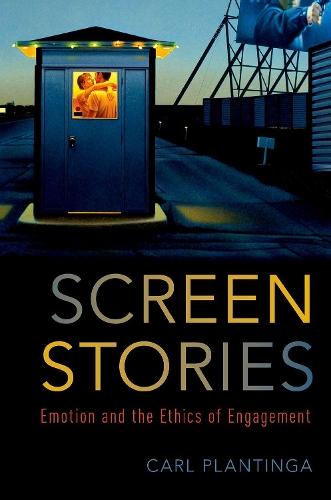
OverviewThe way we communicate with each other is vital to preserving the cultural ecology, or wellbeing, of a place and time. Do we listen to each other? Do we ask the right questions? Do we speak about each other with respect or disdain? The stories that we convey on screens, or what author Carl Plantinga calls 'screen stories,' are one powerful and pervasive means by which we communicate with each other. Screen Stories: Emotion and the Ethics of Engagement argues that film and media studies needs to move toward an an approach to ethics that is more appropriate for mass consumer culture and the lives of its citizens. Primarily concerned with the relationship between media and viewers, this book considers ethical criticism and the emotional power of screen stories that makes such criticism necessary. The content we consume--from television shows and movies to advertisements--can significantly affect our welfare on a personal and societal level, and thus, this content is subject to praise and celebration, or questioning and even condemnation. The types of screen stories that circulate contribute to the cultural ecology of a time and place; through shared attention they influence what individuals think and feel. Plantinga develops a theory of the power of screen stories to affect both individuals and cultures, asserting that we can better respond ethically to such media if we understand the sources of its influence on us. Full Product DetailsAuthor: Carl Plantinga (Professor of Film and Media, Professor of Film and Media, Calvin College)Publisher: Oxford University Press Inc Imprint: Oxford University Press Inc Dimensions: Width: 15.50cm , Height: 2.00cm , Length: 23.40cm Weight: 0.544kg ISBN: 9780190867140ISBN 10: 0190867140 Pages: 328 Publication Date: 31 May 2018 Audience: Professional and scholarly , Professional & Vocational Format: Paperback Publisher's Status: Active Availability: To order Stock availability from the supplier is unknown. We will order it for you and ship this item to you once it is received by us. Table of ContentsIntroduction The Evolution of a Perspective Structure of the Book Part One: The Power of Screen Stories 1. The Power of Screen Stories 2. The Rhetoric of Screen Stories 3. Transfer and Cultivation 4. Caveats and Complications Part Two: Ethics and Engagement 5. Engagement and Estrangement 6. Immersion and Emotion 7. Moralities and Characters as Moral Agents 8. The Personal and the Political 9. Mood and Ethics Part 3: The Countors of Engagement 10. Ethics and Character Engagement 11. Narrative Structure: Closure and Frame Shifters 12. Narrative Paradigm Scenarios: Revenge and the Other 13. Conclusion BibliographyReviewsAuthor InformationCarl Plantinga is Professor of Film and Media at Calvin College. He is author or co-editor of five books on topics ranging from the documentary to the philosophy of film to the place of emotion in film viewing. Tab Content 6Author Website:Countries AvailableAll regions |
||||