|
|
|||
|
||||
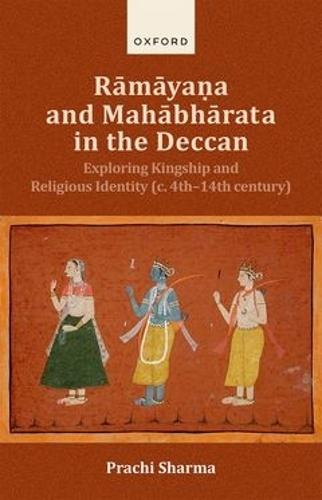
OverviewSpanning a millennium from the 4th to the 14th century, this book explores the dynamic role of the Rāmāyaṇa and the Mahābhārata in shaping the political and socio-cultural landscape of the Deccan. Drawing on a wealth of epigraphic evidence, especially royal pra?astis (eulogies), it reveals how ruling dynasties like the Kadambas and Hoysa?as strategically appropriated epic motifs, heroes, and narratives to craft ideologies of kingship and divine legitimacy. Far from being confined to the religious sphere, the epics were actively woven into the public and political discourse, influencing not just elites but various social groups across the region. This study probes how different communities engaged with these traditions, beyond worship, to express identity, authority, and aspiration. Notably, it traces a significant shift around the 10th century, when epic heroes such as R?ma and Hanum?n transitioned from royal exemplars to temple deities, marking an evolution in their cultural and symbolic significance. This work offers a compelling insight into the enduring power of epic traditions in South Indian history. Full Product DetailsAuthor: Prachi Sharma (Independent researcher, Independent researcher)Publisher: Oxford University Press Imprint: Oxford University Press ISBN: 9780198939122ISBN 10: 0198939124 Pages: 352 Publication Date: 11 February 2026 Format: Hardback Publisher's Status: Forthcoming Availability: Not yet available This item is yet to be released. You can pre-order this item and we will dispatch it to you upon its release. Table of ContentsReviewsAuthor InformationBased in Delhi, Prachi Sharma's research centres on epigraphy, examining the evolution of Buddhism in the Deccan through inscriptions from the Kanheri rock-cut caves and the excavated stupa site at Pauni. Her later work explores the role of epic traditions—particularly the Ramayana and Mahabharata, along with their varied retellings—in shaping the political and socio-religious landscape of the Deccan between the 4th and 14th centuries CE, using inscriptions as primary sources. Tab Content 6Author Website:Countries AvailableAll regions |
||||