|
|
|||
|
||||
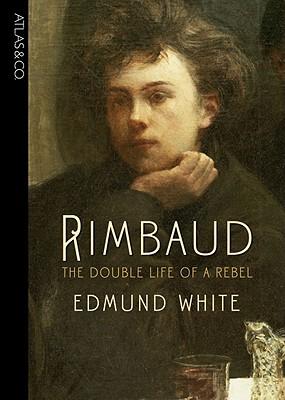
OverviewPoet and prodigy Arthur Rimbaud led a life that was startlingly short, but just as dramatically eventful and accomplished. Even today, over a century after his death in 1891, his visionary poetry has continued to influence everyone from Jim Morrison and Bob Dylan to Patti Smith. His long poem A Season in Hell (1873) and his collection Illuminations (1886) are essential to the modern canon, marked by a hallucinatory and hypnotic style that defined the Symbolist movement in poetry. Having sworn off writing at the age of twenty-one, Rimbaud drifted around the world from scheme to scheme, ultimately dying from an infection contracted while running guns in Africa. He was thirty-seven. Edmund White writes with a historian's eye for detail, driven by a genuine personal investment in his subject. White delves deep into the young poet's relationships with his family, his teachers, and his notorious affair with the more established poet Paul Verlaine. He follows the often elusive (sometimes blatant) threads of sexual taboo that haunt Rimbaud's poems (in those days, sodomy was a crime) and offers incisive interpretations of the poems, using his own artful translations to bring us closer to the mercurial poet. Full Product DetailsAuthor: Edmund WhitePublisher: Atlas & Co. Imprint: Atlas & Co. Dimensions: Width: 13.40cm , Height: 2.10cm , Length: 18.30cm Weight: 0.290kg ISBN: 9781934633151ISBN 10: 1934633151 Pages: 192 Publication Date: 01 October 2008 Audience: General/trade , General Format: Hardback Publisher's Status: Out of Print Availability: Awaiting stock Table of ContentsReviewsYeats once said that the writer must decide between the life or the work, but Arthur Rimbaud teen-age prodigy, archetypal rebel, African adventurer chose both. Although White notes that a biographer of Rimbaud could fill his pages with nothing but his ceaseless comings and goings, his own account is slim and skillfully blends action and analysis. White declares his personal infatuation even speculating that an affair with a teacher as an unhappy gay adolescent may have been inspired by Rimbaud's example but he is clearheaded about his idol's shortcomings. Rimbaud's contempt for bourgeois life certainly made him an impossible visitor: if he wasn't selling the guest-room furniture, he was using the magazine in which his host's poetry had just appeared as toilet paper. White ultimately agrees with those of Rimbaud's acquaintance who saw him not as an angel or a devil but as an obnoxious boor. Author InformationTab Content 6Author Website:Countries AvailableAll regions |
||||