Overview
Reflecting on the intricate dynamics of ridesharing, one cannot ignore the profound impact of geographical segregation and unfair competition that permeate the industry. The disparities in ride distribution highlight a pressing need for a more equitable system. As rideshare companies continue to expand their reach, the challenge remains to ensure fair pricing and availability for all users, irrespective of location. This requires shifting from profit-driven models to those that prioritize equitable access, ensuring that drivers and passengers can benefit from balanced service distribution. The current state of ridesharing reveals a landscape where drivers cluster in areas of high demand, often leaving other regions underserved. This concentration not only affects passengers who face longer wait times and higher costs but also impacts drivers who may struggle with canceled rides and wasted resources. To address these issues, reimagining the scheduling systems is crucial, one that incorporates fairness and considers the unique needs of each area. Innovation in pricing algorithms could also play a pivotal role in leveling the playing field. By adopting flexible, context-sensitive pricing strategies, rideshare companies can encourage a more uniform distribution of services. This approach would enhance customer satisfaction and foster a healthier competitive environment among drivers, ultimately leading to improved service quality. As we look towards the future of ridesharing, we must focus on creating a system that transcends geographical and economic barriers. By embracing an equity-oriented model, rideshare companies have the opportunity to redefine urban mobility, ensuring that everyone, regardless of where they reside, can access reliable and affordable transportation. This transformation requires collaboration between policymakers, companies, and communities to dismantle systemic barriers and pave the way for a more inclusive ridesharing ecosystem. The journey towards fairer competition and equitable ride distribution is not just a challenge but an imperative for the sustainability and success of ridesharing in the years to come.
Full Product Details
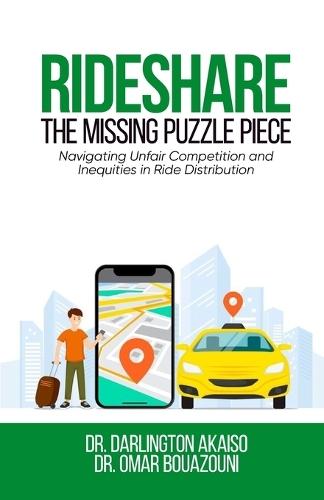
Author: Dr Darlington Akaiso ,
Dr Omar Bouazouni Bouazouni
Publisher: Soyounique Press
Imprint: Soyounique Press
Edition: Large type / large print edition
Dimensions:
Width: 14.00cm
, Height: 0.70cm
, Length: 21.60cm
Weight: 0.150kg
ISBN: 9798218579678
Pages: 122
Publication Date: 01 January 2025
Audience:
General/trade
,
General
Format: Paperback
Publisher's Status: Active
Availability: Available To Order

We have confirmation that this item is in stock with the supplier. It will be ordered in for you and dispatched immediately.
Author Information
Dr. Darlington Akaiso is a distinguished academic scholar and thought leader in global leadership studies. With over two decades of experience in risk management, resilience planning, and international development, he has authored numerous influential books in his field. Dr. Akaiso has held teaching and research roles at esteemed institutions, including Northeastern University, the University of Manitoba, Seneca College, Trent University in Canada, and the University of the West Indies in the Caribbean.He holds a bachelor's degree in Information Technology/Informatics from York University in Toronto, Canada, a master's degree in Management Information Systems from the University of Illinois-Springfield, USA, and a doctorate in Leadership from Franklin Pierce University in New Hampshire, USA. Additionally, Dr. Akaiso is an alumnus of the Massachusetts Institute of Technology (MIT) and the Harvard Kennedy School, where he further honed his expertise in leadership and strategic management. Dr. Omar Bouazouni is a distinguished Algerian economist and statistician. He holds a doctorate in economics and applied statistics and is an expert in economic analysis and socio-economic foresight. Dr. Bouazouni has served as a researcher at the Center for Research in Applied Economics for Development (CREAD) and later as the Director of Statistical and Modeling Studies at the National Economic and Social Council in Algeria.