|
|
|||
|
||||
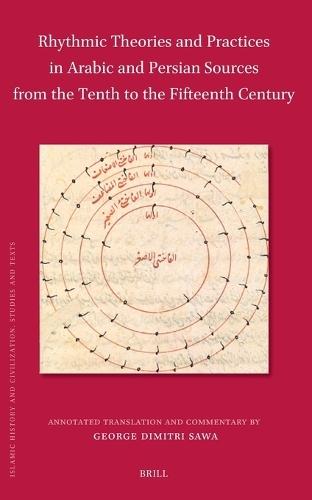
OverviewThe book deals with rhythmic theories and practices in Arabic and Persian sources from the 10th to the 15th century. Sources prior to the 10th century are summarized as a basis for the theories that follow from the 10th to the 15th century. They include the works of Ikhwān al-Ṣafāʾ, Ibn Sīnā, Ibn Zayla, al-Kātib, Ibn al-Ṭaḥḥān, al-Tīfāshī, and the ground breaking works of al-Urmawī with his novel circular notation that survived up to the 20th century. They also include the works of al-Marāghī who invented many long rhythmic modes, and the works of al-Shirwānī, al-Lādh9qī and Awbahī. The work summarizes the definition of all the rhythmic modes in alphabetical listing. Full Product DetailsAuthor: George Dimitri SawaPublisher: Brill Imprint: Brill Volume: 227 Dimensions: Width: 15.50cm , Height: 2.60cm , Length: 23.50cm Weight: 0.871kg ISBN: 9789004733947ISBN 10: 9004733949 Pages: 404 Publication Date: 10 December 2025 Audience: Professional and scholarly , Professional & Vocational Format: Hardback Publisher's Status: Active Availability: Manufactured on demand We will order this item for you from a manufactured on demand supplier. Language: Arabic, English, Persian Table of ContentsReviewsAuthor InformationGeorge Dimitri Sawa, Ph.D. (1983), University of Toronto, independent scholar in Arabic music theory, performance and literature. He taught medieval, modern and sacred music at the University of Toronto and York and published eleven books and over seventy articles. Tab Content 6Author Website:Countries AvailableAll regions |
||||