|
|
|||
|
||||
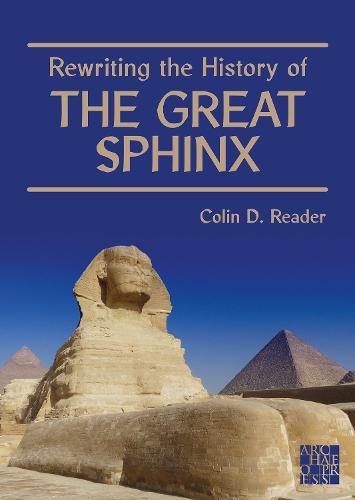
OverviewThe Great Sphinx has guarded the Giza Plateau in Egypt for many thousands of years. Despite there being relatively little direct evidence, it is generally assumed that this iconic monument is some 4500 years old, built at the same time as Giza’s great pyramids. This book challenges the established history of the Giza Necropolis to present the only comprehensive, evidence-led account of the history and ritual meaning of the Great Sphinx. After re-examining the archaeological evidence and then considering the important role of geology, the book concludes that the Great Sphinx and a number of related monuments, were built at Giza in the earliest stages of the Pharaonic Era – in the period before Egypt’s first pyramids were built. Perhaps more surprisingly, evidence emerges that the Great Sphinx may not have been the first monument built at Giza, with indications of ritual activity at this important site, which pre-dates Egypt’s first pharaohs. By answering these uncertainties regarding the age of the Great Sphinx, a new picture unfolds of what the concept of the human-headed lion meant to the people that originally built it. Full Product DetailsAuthor: Colin D. Reader (Independent Researcher, Chartered Geologist)Publisher: Archaeopress Imprint: Archaeopress Archaeology Weight: 1.400kg ISBN: 9781805832096ISBN 10: 1805832093 Pages: 332 Publication Date: 16 January 2026 Audience: Professional and scholarly , Professional & Vocational Format: Paperback Publisher's Status: Active Availability: Manufactured on demand We will order this item for you from a manufactured on demand supplier. Table of ContentsList of Figures and Tables Image credits Acknowledgments Part 1 - Setting The Scene Chapter 1: Introduction Chapter 2: Ancient Egypt The Early Dynastic Period The Old Kingdom The Middle Kingdom The New Kingdom The Late Period and Greco-Roman Period The Basis for our Understanding of the Early Dynastic Period and Old Kingdom Chapter 3: The Great Sphinx The Great Sphinx The Sphinx Enclosure Clearing the Sand Chapter 4: The Giza Necropolis The Khufu Pyramid Complex The Khafra Pyramid Complex The Menkaura Pyramid Complex The Tomb of Khentkawes Later Activity at Giza Chapter 5: The Giza Landscape The Natural Topography of the Giza Plateau Ancient Quarrying at Giza The Influence of Natural Topography on the Development of the Giza Necropolis Chapter 6: The Conventional View A Conundrum Examining the Case for Khafra as the Builder of the Great Sphinx The Sphinx Temple The Face of the Great Sphinx The View of Egyptology Chapter 7: Giza before Khufu: Mainstream Archaeological Evidence The Ma’adi Culture The Southern Escarpment and Main Wadi Previous Development within the Giza Necropolis? Reisner’s Evidence for Development Before the Pyramids Part 2 – Geology Matters Chapter 8: The Geology of Egypt and the Giza Plateau The Formation of Rocks and Fossils Earth Movements Geological Timescales and the Evolution of the Egyptian Landmass The First Rivers in Egypt The Geology of the Giza Plateau Chapter 9: The Geology of the Great Sphinx Member I Strata Member II Strata Member III Strata The Degradation of the Great Sphinx Rainfall in Egypt and the Surface Hydrology of the Giza Plateau Part 3 – Ancient Egypt’s Earliest Dynasties Chapter 10: Evidence for an Early Sphinx The Effect of Quarrying on Run-Off ‘Now Picture to Yourself this Scene!’ What if Khufu had built the Great Sphinx? The Effects of Modern Rainfall The Sphinx Temple The Khafra Causeway Early Activity at Giza Chapter 11: Companions of the Early Sphinx Time for a Re-cap A Note About Comparisons The Khafra Valley Temple The Proto-Mortuary Temple Khentkawes The Tomb of Kai Niched Façade Decoration at Giza Chapter 12: Building the Great Sphinx Skills and Experience – A Stone-Working Context for the Early Origins of the Great Sphinx The Use of Stone in Early Dynastic Egypt The Great Enclosures of Saqqara Other Examples of the Early Use of Stone in Construction at Saqqara The Early Use of Stone in Construction at Other Sites Late Second Dynasty Royal Tombs The Third Dynasty The Second Dynasty: An Important Period for Stone Masonry Objection!! Part 4 – The History of the Great Sphinx Chapter 13: The Origins of the Sphinx Ancient Records: Towards an Understanding of the Concept of the Sphinx Ancient Egypt’s Complex Religion The Netjerikhet Stela Serpents, Jackals and Lions: Interpreting the Decoration of the Netjerikhet Stela Mehen: The Board Game The Concept of the Sphinx Chapter 14: The Rise of the Sun-God Early Pharaonic Associations with Ra The Role of Iunu The Power and Authority of Pharaoh The Development of the Great Sphinx of Giza From Lion to Sphinx The Sphinx and the Ba The Rise of the Sun-God Chapter 15: The Great Sphinx of Giza The Copper-Age at Giza Appendices Appendix A: Original Ground Levels in the Vicinity of the Great Sphinx 1. The Low Hill at the Eastern Edge of the Giza Plateau 2. Lehner’s Original Ground Level Model 3. Summary and Conclusions Appendix B: The Sequence of Construction of the Great Sphinx, the Khafra Valley Temple and the Sphinx Temple 1. Introduction 2. The Mainstream Sequence of Construction Summary: The Mainstream Sequence of Construction 3. The Sequence of Construction Starting with the Great Sphinx Summary: The Alternative Sequence of Construction 4. The Most Likely Sequence of Construction Appendix C: Mapping the Member II Strata at Giza 1. Introduction 2. The Process Used 3. Strata Exposed at the Khentkawes Tomb and the Tomb of Kai Bibliography IndexReviewsAuthor InformationColin D Reader is a geologist with over thirty years’ experience working in the construction industry and a deep interest in ancient Egypt. He has published papers in a number of peer-reviewed Egyptology journals and in his first book, A Gift of Geology, he examined the influence of Egypt’s geology and landscape on the developing cultures of the Nile Valley. He worked as project geologist for the Saqqara Geophysical Survey Project, mapping the soils and rocks of North Saqqara, and has travelled extensively in Egypt. Tab Content 6Author Website:Countries AvailableAll regions |
||||