Overview
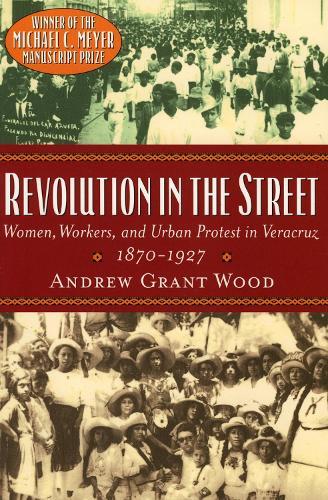
Winner of the 1999 Michael C. Meyer Manuscript Prize! This new book examines the social protests of popular groups in urban Mexico during and after the Mexican Revolution and also shows how the revolution inspired women to become activists in these movements. Andrew Grant Wood's well-researched narrative focuses specifically on the complex negotiation between elites and popular groups over the issue of public housing in post-revolutionary Veracruz, Mexico. Wood then compares the Veracruz experience with other tenant movements throughout Mexico and Latin America. He analyzes what the popular groups wanted, what they got, how they got it, and how the changes wrought by the revolution facilitated their actions. Grassroots organizing by house-renters in Veracruz began at a time of 'multiple sovereignty' when ruling elites found themselves in a process of regime change and political realignment. As the movement took shape, tenants expanded their opportunities through a dynamic repertoire of public demonstration, direct action, networking, and constant negotiation with landlords and public officials. During the height of the movement, protesters forced revolutionary elites to respond by requiring them either to negotiate, co-opt, and/or repress members of independent grassroots organizations in order to maintain their rule. The tenant movements demonstrate how ordinary women and men contributed to the remaking of state and civil society relations in post-revolutionary Mexico. This book analyzes the critical roles that women played as leaders and as rank-and-file agitators to keep the movements alive. The author has used a wide variety of primary sources to provide a vibrant portrayal of these urban social protesters. On a larger scale, this book shows that the voices of the urban poor were able to become part of the revolutionary dialogue and ideology. While others have highlighted the role of rural folk such as the Zapatistas, this work allows readers to appreciate the urban side of the popular movement. Revolution in the Street is a valuable resource on the Mexican Revolution, modern Mexico, and the urban history of Latin America.
Full Product Details
Author: Andrew Grant Wood
Publisher: Bloomsbury Publishing Plc
Imprint: Rowman & Littlefield
Edition: New edition
Dimensions:
Width: 15.90cm
, Height: 1.80cm
, Length: 22.90cm
Weight: 0.449kg
ISBN: 9780842028806
ISBN 10: 0842028803
Pages: 239
Publication Date: 01 January 2003
Audience:
General/trade
,
General
Format: Paperback
Publisher's Status: Active
Availability: In Print

This item will be ordered in for you from one of our suppliers. Upon receipt, we will promptly dispatch it out to you. For in store availability, please contact us.
Reviews
Very highly recommended for a wide audience. CHOICE The story of the tenement tenants' union and rent strikes in the port of Veracruz in 1922 is one of the most interesting in Revolutionary Mexico, and Andrew Wood tells it wonderfully-the background, the drama of organization, the conflict (first carnivalesque rallies and riots that demonstrated the power of grass-roots mobilization and direct action. -- John Womack, Jr. A crisp, accessible, well-written narrative evocative of the carnivalesque rallies and riots that demonstrated the power of grass-roots mobilization and direct action. American Historical Review
The story of the tenement tenants' union and rent strikes in the port of Veracruz in 1922 is one of the most interesting in Revolutionary Mexico, and Andrew Wood tells it wonderfully-the background, the drama of organization, the conflict (first carnivalesque rallies and riots that demonstrated the power of grass-roots mobilization and direct action.--John Womack, Jr.
Author Information
Andrew Grant Wood is assistant professor of history at the University of Tulsa.