Overview
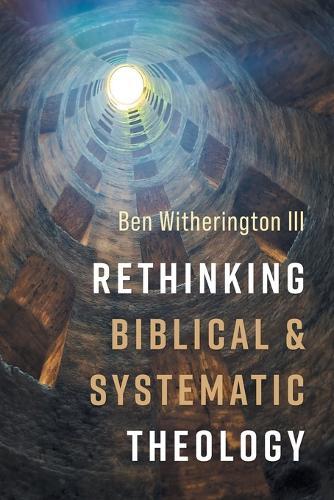
In this volume Ben Witherington seeks to clarify the differences between biblical and systematic theology and deal with the many factors that have to be taken into account to do either of these forms of theology well. He points out the problems with abstracting ideas or concepts from the narrative thought world that exists in the Bible, which results in ignoring or distorting the original historical, rhetorical, ethical, and linguistic contexts, not to mention the way God's revelation is progressively revealed. Furthermore, systematic theology cannot just be biblical theology summarized with a passing glance at theological developments in later historical, Catholic, Orthodox, or Protestant theologies. It needs to take into account engagements of the Bible with science, with philosophy (particularly epistemology), with apologetics, and with theories of meaning. Very few scholars have enough breadth of knowledge to even undertake systematic theology on these terms. In this landmark work, Witherington makes clear the pitfalls to avoid in doing theology that is properly grounded in the Bible, while providing a précis of how biblical and systematic theology can be done well and with insight.
Full Product Details
Author: Ben Witherington, III
Publisher: Cascade Books
Imprint: Cascade Books
Dimensions:
Width: 15.20cm
, Height: 1.30cm
, Length: 22.90cm
Weight: 0.318kg
ISBN: 9798385260782
Pages: 232
Publication Date: 27 January 2026
Audience:
General/trade
,
General
Format: Paperback
Publisher's Status: Active
Availability: Available To Order

We have confirmation that this item is in stock with the supplier. It will be ordered in for you and dispatched immediately.
Reviews
""The problem with systematic theology is that it wanders too far from the Bible and its inherent narrative structure. 'The Biblical text is not an inkblot into which one can read whatever comes to one's mind, ' Witherington insists, or whatever one wants to find there. Witherington calls out several common errors: seeing the Bible as a catalog of doctrines rather than a coherent story; 'denuding the biblical text of its genres'; reading Scripture through the lens of Greek philosophy rather than a Hebrew worldview. Whereas theologians generally put eschatology last among topics discussed, Jesus put it first in his proclamation of God's reign. Anyone reading systematic theology today should have this provocative volume at hand as a corrective companion."" --Howard A. Snyder, author of Consider the Lilies: How Jesus Saves People and the Land ""The modern distinction between systematic theology and biblical exegesis did not exist in the earliest centuries of the church's history. While we might argue about how helpful the distinction has proven, one thing is certain: the division between them has become so deep as to leave each, in different ways, impoverished. Ben Witherington's Rethinking Biblical and Systematic Theology offers a critique about the use or neglect of Scripture in contemporary systematic theology that seeks to create a conversation between biblical exegetes and theologians about the right use of Scripture in theology. Scholars in both disciplines should be grateful for this conversation that Witherington initiates."" --J. Warren Smith, Professor of Historical Theology, Duke Divinity School ""As a Catholic student of the New Testament, I am happy to recommend Ben Witherington's book on systematic theology. Though I do not agree with his brief treatment of Marian theology, the book helpfully provides a much-needed identification of the problems inherent in Reformed Theology and a welcome illumination of the positive contribution that a well-formed systematic theology can offer. Gerhard Sauter once told me that he and other theologians always looked to the exegetes to provide guidance for their work in systematic theology. This book by Ben Witherington delivers on that expectation."" --Mark Reasoner, Professor of Biblical Theology, Marian University ""Witherington holds our attention by his readiness to challenge everybody's sacred cows. He rightly summons us to prioritize the divinely inspired voice of Scripture, understood first in context, as the foundational theological authority around which all churches can unite, despite our variations on detail."" --Craig Keener, Professor of New Testament, Asbury Theological Seminary ""For decades I have appreciated Witherington's scholarship. In an age today of micro-specialization, there are few 'generalists, ' and even fewer who can operate across the canon with insight and accuracy. This book draws from Witherington's vast research and teaching career to help those who make an attempt at biblical and systematic theology to learn from others' mistakes and to avoid pitfalls that lead to creating idiosyncratic theologies. This book is chock full of hermeneutical and methodological insights."" --Nijay K. Gupta, Julius R. Mantey Professor of New Testament, Northern Seminary ""The problem with systematic theology is that it wanders too far from the Bible and its inherent narrative structure. 'The Biblical text is not an inkblot into which one can read whatever comes to one's mind, ' Witherington insists, or whatever one wants to find there. Witherington calls out several common errors: seeing the Bible as a catalog of doctrines rather than a coherent story; 'denuding the biblical text of its genres'; reading Scripture through the lens of Greek philosophy rather than a Hebrew worldview. Whereas theologians generally put eschatology last among topics discussed, Jesus put it first in his proclamation of God's reign. Anyone reading systematic theology today should have this provocative volume at hand as a corrective companion."" --Howard A. Snyder, author of Consider the Lilies: How Jesus Saves People and the Land ""The modern distinction between systematic theology and biblical exegesis did not exist in the earliest centuries of the church's history. While we might argue about how helpful the distinction has proven, one thing is certain: the division between them has become so deep as to leave each, in different ways, impoverished. Ben Witherington's Rethinking Biblical and Systematic Theology offers a critique about the use or neglect of Scripture in contemporary systematic theology that seeks to create a conversation between biblical exegetes and theologians about the right use of Scripture in theology. Scholars in both disciplines should be grateful for this conversation that Witherington initiates."" --J. Warren Smith, Professor of Historical Theology, Duke Divinity School ""As a Catholic student of the New Testament, I am happy to recommend Ben Witherington's book on systematic theology. Though I do not agree with his brief treatment of Marian theology, the book helpfully provides a much-needed identification of the problems inherent in Reformed Theology and a welcome illumination of the positive contribution that a well-formed systematic theology can offer. Gerhard Sauter once told me that he and other theologians always looked to the exegetes to provide guidance for their work in systematic theology. This book by Ben Witherington delivers on that expectation."" --Mark Reasoner, Professor of Biblical Theology, Marian University ""Witherington holds our attention by his readiness to challenge everybody's sacred cows. He rightly summons us to prioritize the divinely inspired voice of Scripture, understood first in context, as the foundational theological authority around which all churches can unite, despite our variations on detail."" --Craig Keener, Professor of New Testament, Asbury Theological Seminary ""For decades I have appreciated Witherington's scholarship. In an age today of micro-specialization, there are few 'generalists, ' and even fewer who can operate across the canon with insight and accuracy. This book draws from Witherington's vast research and teaching career to help those who make an attempt at biblical and systematic theology to learn from others' mistakes and to avoid pitfalls that lead to creating idiosyncratic theologies. This book is chock full of hermeneutical and methodological insights."" --Nijay K. Gupta, Julius R. Mantey Professor of New Testament, Northern Seminary ""Precious few scholars know the many twists and turns of the long road of biblical interpretation. Fewer still appreciate the complex relationship between biblical interpretation and biblical and systematic theology. Ben Witherington demonstrates in this present volume that he is one of the few. Indeed, Witherington, with a wisdom only gained by years of living with the text, throws fresh light on the confusion which engulfs many of
Author Information
Ben Witherington is Amos Professor of New Testament for Doctoral Studies at Asbury Theological Seminary and is on the doctoral faculty at the University of St Andrews, Scotland.