|
|
|||
|
||||
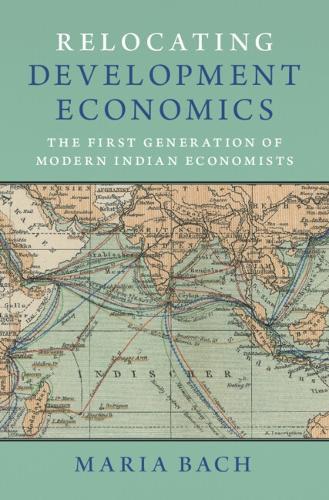
OverviewOriginating in the Nineteenth Century, the European idea of development was shaped around the premise that the West possessed progressive characteristics that the East lacked. As a result of this perspective, many alternative development discourses originating in the East were often overlooked and forgotten. Indian Economics is but one example. By recovering thought from the margins, Relocating Development Economics exposes useful new ways of viewing development. It looks at how an Indian tradition in economic thought emerged from a group of Indian economists in the late Nineteenth Century who questioned dominant European economic ideas on development and agricultural economics. This book shows how the first generation of modern Indian economists pushed at the boundaries of existing theories to produce reformulations that better fit their subcontinent and opens up discursive space to find new ways of thinking about regress, progress and development. Full Product DetailsAuthor: Maria Bach (Université de Lausanne, Switzerland)Publisher: Cambridge University Press Imprint: Cambridge University Press ISBN: 9781009438193ISBN 10: 1009438190 Pages: 200 Publication Date: 12 December 2024 Audience: College/higher education , Postgraduate, Research & Scholarly Format: Hardback Publisher's Status: Active Availability: Manufactured on demand We will order this item for you from a manufactured on demand supplier. Table of ContentsIntroduction; 1. The Context; 2. The Beginnings of Indian Economics; 3. Stages of Civilisation; 4. Regress; 5. Developing Balanced Growth at Home; 6. A Global Win-Win Model for Development; Epilogue: Multiple Definitions of Progress and Development.ReviewsAuthor InformationMaria Bach is a Junior Lecturer and Post-doctoral Researcher at The University of Lausanne. As a historian of economics, she is interested in how economists from what we call the Global South today produced economic ideas. She wrote her thesis at King's College London in International Political Economy, which won the Joseph Dorfman Award for the Best Dissertation in the History of Economic Thought, 2020. Tab Content 6Author Website:Countries AvailableAll regions |
||||