Overview
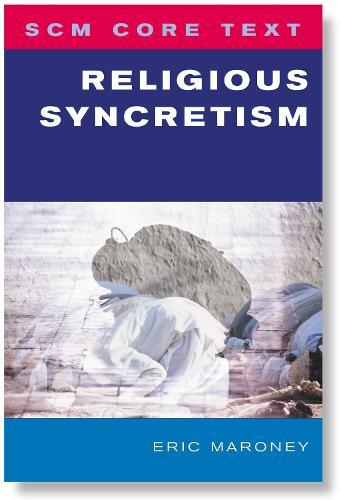
Even a quick scan of today's headlines makes clear that the growth of fundamentalist versions of Islam is having a vast impact on our world. For Americans the rise of Christian fundamentalism, especially the Evangelical movement, is also socially and politically shaping the country, as debates about abortion, stem cell research and other important issues are often driven by fundamentalist notions. In profound ways, orthodox versions of Judaism have altered the fabric of Middle Eastern politics through the Israeli-Palestinian conflict, especially regarding settlements in Gaza and the West Bank, making peace there all the more difficult, and further destabilizing an already unstable region. The rise of fundamentalism in the three monotheistic faiths is fully examined in this textbook. It is not about fundamentalism however, it is about its opposite trend: religious syncretism. Syncretism describes the phenomenon of one religion borrowing elements from another, and it is part of religion that fundamentalists will seldom acknowledge. This textbook explores Judaism, Christianity and Islam, using compelling examples of how syncretism works and looks, to show how these three religions have adopted customs and conceptions of other religions, most often acquiring practices from pagan predecessors and neighbours. The book shows how these three faiths - despite how modern media would have us believe - have been willing, at various times and places, to borrow.
Full Product Details
Author: Eric Maroney
Publisher: SCM Press
Imprint: SCM Press
Dimensions:
Width: 15.60cm
, Height: 1.10cm
, Length: 23.40cm
Weight: 0.318kg
ISBN: 9780334040187
ISBN 10: 0334040183
Pages: 222
Publication Date: 25 May 2006
Audience:
College/higher education
,
Tertiary & Higher Education
Format: Paperback
Publisher's Status: Active
Availability: Out of print, replaced by POD

We will order this item for you from a manufatured on demand supplier.
Reviews
'The book shows that folk beliefs and practices, as distinct from official teachings and practices, are crucial in understanding a religion, particularly as it is lived and practiced by its adherents ... the book presents the challenges of developing a more open and appreciative attitude toward the religious other since the discussion raises the question of mutual enrichment ... The book's argument offers a compelling case for a more dialogical relationship not only among the Abrahamic religions but with paganism as well ... The book serves as an insightful introductory textbook on syncretism. Written as a textbook and geared for the general audience, one finds at the end of each chapter a list of questions that serve as a jumping board for class discussion and suggestions for reading that further explore the various issues that are tackled in the chapter development. The bibliography at the end of the book can also be a helpful tool in delving deeper ...' Reviews in Religion and Theology The teacher who uses this book in a course... has a great opportunity here to bring history to life and to show nuances concerning religious stereotypes which are not based on historic fact. Tijdschrift voor Theologie, (Journal for Theology) 2008: 48, 117 The SCM Core Text Religious Syncretism provides a persuasive account of the principle that syncretism is an important and widespread expression of religious belief and practice. Each chapter concludes with a useful summary and questions that might be considered for seminar or class discussion... there is much to commend the book. Those of us who work in education can be accustomed to think of religion in terms of creeds and doctrines and to teach the subject along those lines. Such an approach is to ignore the importance of syncretistic experience as a defining factor in religion. Elliot Shaw, Senior Lecturer, Religious Education at St. Martin's College, in the journal World Religions in Education XXVIII, 2007-8 'The book shows that folk beliefs and practices, as distinct from official teachings and practices, are crucial in understanding a religion, particularly as it is lived and practiced by its adherents ... the book presents the challenges of developing a more open and appreciative attitude toward the religious other since the discussion raises the question of mutual enrichment ... The book's argument offers a compelling case for a more dialogical relationship not only among the Abrahamic religions but with paganism as well ... The book serves as an insightful introductory textbook on syncretism. Written as a textbook and geared for the general audience, one finds at the end of each chapter a list of questions that serve as a jumping board for class discussion and suggestions for reading that further explore the various issues that are tackled in the chapter development. The bibliography at the end of the book can also be a helpful tool in delving deeper ...' Reviews in Religion and Theology The teacher who uses this book in a course... has a great opportunity here to bring history to life and to show nuances concerning religious stereotypes which are not based on historic fact. Tijdschrift voor Theologie, (Journal for Theology) 2008: 48, 117 The SCM Core Text Religious Syncretism provides a persuasive account of the principle that syncretism is an important and widespread expression of religious belief and practice. Each chapter concludes with a useful summary and questions that might be considered for seminar or class discussion... there is much to commend the book. Those of us who work in education can be accustomed to think of religion in terms of creeds and doctrines and to teach the subject along those lines. Such an approach is to ignore the importance of syncretistic experience as a defining factor in religion. Elliot Shaw, Senior Lecturer, Religious Education at St. Martin's College, in the journal World Religions in Education XXVIII, 2007-8 'The book shows that folk beliefs and practices, as distinct from official teachings and practices, are crucial in understanding a religion, particularly as it is lived and practiced by its adherents ... the book presents the challenges of developing a more open and appreciative attitude toward the religious other since the discussion raises the question of mutual enrichment ... The book's argument offers a compelling case for a more dialogical relationship not only among the Abrahamic religions but with paganism as well ... The book serves as an insightful introductory textbook on syncretism. Written as a textbook and geared for the general audience, one finds at the end of each chapter a list of questions that serve as a jumping board for class discussion and suggestions for reading that further explore the various issues that are tackled in the chapter development. The bibliography at the end of the book can also be a helpful tool in delving deeper ...' Reviews in Religion and Theology The teacher who uses this book in a course... has a great opportunity here to bring history to life and to show nuances concerning religious stereotypes which are not based on historic fact. Tijdschrift voor Theologie, (Journal for Theology) 2008: 48, 117 The SCM Core Text Religious Syncretism provides a persuasive account of the principle that syncretism is an important and widespread expression of religious belief and practice. Each chapter concludes with a useful summary and questions that might be considered for seminar or class discussion... there is much to commend the book. Those of us who work in education can be accustomed to think of religion in terms of creeds and doctrines and to teach the subject along those lines. Such an approach is to ignore the importance of syncretistic experience as a defining factor in religion. Elliot Shaw, Senior Lecturer, Religious Education at St. Martin's College, in the journal World Religions in Education XXVIII, 2007-8
'The book shows that folk beliefs and practices, as distinct from official teachings and practices, are crucial in understanding a religion, particularly as it is lived and practiced by its adherents ... the book presents the challenges of developing a more open and appreciative attitude toward the religious other since the discussion raises the question of mutual enrichment ... The book's argument offers a compelling case for a more dialogical relationship not only among the Abrahamic religions but with paganism as well ... The book serves as an insightful introductory textbook on syncretism. Written as a textbook and geared for the general audience, one finds at the end of each chapter a list of questions that serve as a jumping board for class discussion and suggestions for reading that further explore the various issues that are tackled in the chapter development. The bibliography at the end of the book can also be a helpful tool in delving deeper ...' Reviews in Religion and Theology ""The teacher who uses this book in a course... has a great opportunity here to bring history to life and to show nuances concerning religious stereotypes which are not based on historic fact."" Tijdschrift voor Theologie, (Journal for Theology) 2008: 48, 117 ""The SCM Core Text Religious Syncretism provides a persuasive account of the principle that syncretism is an important and widespread expression of religious belief and practice. Each chapter concludes with a useful summary and questions that might be considered for seminar or class discussion... there is much to commend the book. Those of us who work in education can be accustomed to think of religion in terms of creeds and doctrines and to teach the subject along those lines. Such an approach is to ignore the importance of syncretistic experience as a defining factor in religion."" Elliot Shaw, Senior Lecturer, Religious Education at St. Martin's College, in the journal ""World Religions in Education"" XXVIII, 2007-8 'The book shows that folk beliefs and practices, as distinct from official teachings and practices, are crucial in understanding a religion, particularly as it is lived and practiced by its adherents ... the book presents the challenges of developing a more open and appreciative attitude toward the religious other since the discussion raises the question of mutual enrichment ... The book's argument offers a compelling case for a more dialogical relationship not only among the Abrahamic religions but with paganism as well ... The book serves as an insightful introductory textbook on syncretism. Written as a textbook and geared for the general audience, one finds at the end of each chapter a list of questions that serve as a jumping board for class discussion and suggestions for reading that further explore the various issues that are tackled in the chapter development. The bibliography at the end of the book can also be a helpful tool in delving deeper ...' Reviews in Religion and Theology ""The teacher who uses this book in a course... has a great opportunity here to bring history to life and to show nuances concerning religious stereotypes which are not based on historic fact."" Tijdschrift voor Theologie, (Journal for Theology) 2008: 48, 117 ""The SCM Core Text Religious Syncretism provides a persuasive account of the principle that syncretism is an important and widespread expression of religious belief and practice. Each chapter concludes with a useful summary and questions that might be considered for seminar or class discussion... there is much to commend the book. Those of us who work in education can be accustomed to think of religion in terms of creeds and doctrines and to teach the subject along those lines. Such an approach is to ignore the importance of syncretistic experience as a defining factor in religion."" Elliot Shaw, Senior Lecturer, Religious Education at St. Martin's College, in the journal ""World Religions in Education"" XXVIII, 2007-8 'The book shows that folk beliefs and practices, as distinct from official teachings and practices, are crucial in understanding a religion, particularly as it is lived and practiced by its adherents ... the book presents the challenges of developing a more open and appreciative attitude toward the religious other since the discussion raises the question of mutual enrichment ... The book's argument offers a compelling case for a more dialogical relationship not only among the Abrahamic religions but with paganism as well ... The book serves as an insightful introductory textbook on syncretism. Written as a textbook and geared for the general audience, one finds at the end of each chapter a list of questions that serve as a jumping board for class discussion and suggestions for reading that further explore the various issues that are tackled in the chapter development. The bibliography at the end of the book can also be a helpful tool in delving deeper ...' Reviews in Religion and Theology ""The teacher who uses this book in a course... has a great opportunity here to bring history to life and to show nuances concerning religious stereotypes which are not based on historic fact."" Tijdschrift voor Theologie, (Journal for Theology) 2008: 48, 117 ""The SCM Core Text Religious Syncretism provides a persuasive account of the principle that syncretism is an important and widespread expression of religious belief and practice. Each chapter concludes with a useful summary and questions that might be considered for seminar or class discussion... there is much to commend the book. Those of us who work in education can be accustomed to think of religion in terms of creeds and doctrines and to teach the subject along those lines. Such an approach is to ignore the importance of syncretistic experience as a defining factor in religion."" Elliot Shaw, Senior Lecturer, Religious Education at St. Martin's College, in the journal ""World Religions in Education"" XXVIII, 2007-8
Author Information
Eric Maroney teaches at Cornell University, New York.