|
|
|||
|
||||
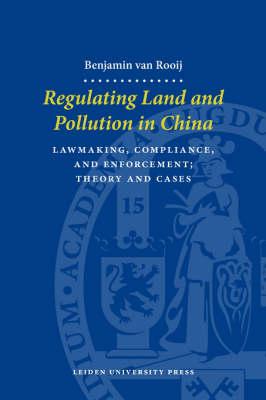
OverviewMany of China's rivers and lakes are strongly polluted, the air in cities is amongst the worst in the world, while some have warned that if the country is not careful it may soon have insufficient arable land to feed its population. This book looks at why the protection of natural resources through stricter legislation and more stringent law enforcement has been so difficult. It does so through a combination of a local case with comparative and theoretical insights about lawmaking, compliance and enforcement. It offers a unique view on how law functions in the world's largest legal system, and how such law interacts with the social, economic and political circumstances at hand. This book offers an incomparable body of empirical and theoretical knowledge for those interested in how law functions in China, as well as those interested in the workings of regulatory lawmaking, compliance, and enforcement in a comparative perspective. Full Product DetailsAuthor: Benjamin van RooijPublisher: Leiden University Press Imprint: Leiden University Press Dimensions: Width: 15.60cm , Height: 2.40cm , Length: 23.40cm Weight: 0.815kg ISBN: 9789087280130ISBN 10: 9087280130 Pages: 470 Publication Date: 07 November 2006 Audience: General/trade , General Format: Paperback Publisher's Status: Inactive Availability: In Print Limited stock is available. It will be ordered for you and shipped pending supplier's limited stock. Table of ContentsContents - 8 Acknowledgements - 10 Abbrevations - 14 Introduction - 18 1. Legal Change at Lake Dianchi - 20 Part I: Legislation and Lawmaking - 42 2. Law in the Boks - 44 3. Bargaining on the Land Bill - 69 4. Cleaning Up Pollution Legislation - 87 5. China's Legislative Challenges - 117 Part II: Compliance and Violation - 124 6. Why People Obey the Law - 126 7. Lawful Construction - 149 8. Attempts at Abatement - 169 9. Kunming's Hunger for Land - 190 10. Why Contamination Continues - 210 11. Law and the Complexity of Reality - 229 Part III: Enforcement and Political Campaigns - 244 12. The Enforcement Gap - 246 13. Punishing Violations - 280 14. Movements of Law - 325 15. Ad Hoc Law Enforcement - 371 Conclusion - 380 16. Regulating Land and Pollution - 382 References - 407 Samenvatting - 457ReviewsThis is a well-researched and clearly argued work that will make a significant contribution to several disciplines, including regulatory theory, Chinese studies, environmental law, and law and development. It deserves a wide audience. - Randy Peerenboom in The Journal of Asian Studies Author InformationBenjamin van Rooij is Assistant Professor at the Van Vollenhoven Institute, Faculty of Law, Leiden University. Tab Content 6Author Website:Countries AvailableAll regions |
||||