|
|
|||
|
||||
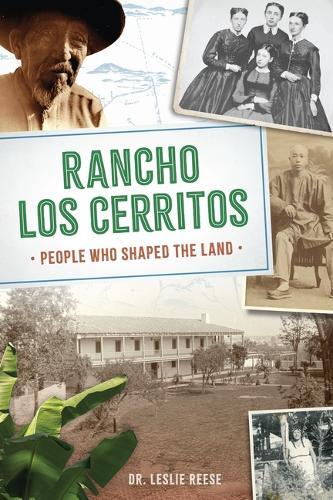
OverviewOnce a twenty-seven-thousand-acre parcel named for the hills it features, Rancho Los Cerritos is a place where the past meets the present and provides a fascinating glimpse into California's history. Home of the Gabrielino-Tongva for more than five thousand years, the land was claimed and colonized by Spain and then Mexico before it became part of the United States. New Englander John Temple, together with his wife, Rafaela Cota, bought the land in the early 1800s. Through a workforce of Indigenous laborers, he built a unique two-story adobe to be the headquarters of a large-scale cattle ranch, propelling Temple and Rancho Los Cerritos to the forefront of Southern California's prosperity. Over the next two centuries, the Rancho adobe was home to gold rush miners, Mexican vaqueros, Chinese cooks, and more. These intrepid individuals persisted through feasts and famine, floods, droughts, and even war. Today, the adobe houses a historic museum and connects visitors to those who left an indelible mark on the region. Join Dr. Leslie Reese as she shares the stories of the people who called Rancho Los Cerritos home. Full Product DetailsAuthor: Leslie ReesePublisher: History Press Imprint: History Press Dimensions: Width: 15.20cm , Height: 0.80cm , Length: 22.90cm Weight: 0.141kg ISBN: 9781467170987ISBN 10: 1467170984 Pages: 192 Publication Date: 30 December 2025 Audience: General/trade , General Format: Paperback Publisher's Status: Active Availability: Not yet available This item is yet to be released. You can pre-order this item and we will dispatch it to you upon its release. Table of ContentsReviewsDiscover stories of vaqueros, sheepherders, soldiers & landowners Author InformationDr. Leslie Reese holds a BA in anthropology from Stanford University; an interdisciplinary MA from California State University Long Beach in linguistics, Mexican-American studies, and education; and a PhD from UCLA in comparative education. Currently a Professor Emerita from CSULB, she has collaborated with colleagues in Spain, Mexico, and the United States on research projects, including studies of linguistic minority rights, culturally responsive education, and home-school connections with immigrant students and families. Tab Content 6Author Website:Countries AvailableAll regions |
||||