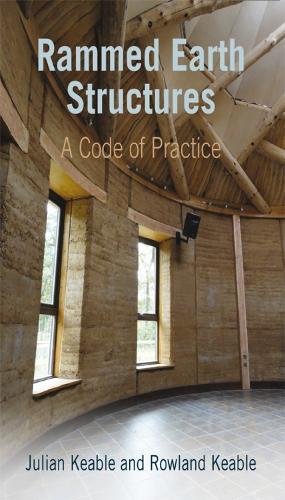
Overview
Ramming earth has been a method of construction for centuries in many parts of the world and the technique can produce buildings that are strong, durable, safe and desirable. Because earth is an abundant and cheap resource, rammed earth buildings are often very economical. To achieve the best results the right techniques for the selection and testing of soils must be used to protect walls from water damage and shrinkage. This book aims to show how high standards can be achieved and the criteria on which rammed earth structures and building techniques can be judged. Since the fi rst edition of this book was published, the standards described in Rammed Earth Structures has been adopted as a Building Standard in Zimbabwe. Further progress is being made extending the use of rammed earth as an offi cially sanctioned building material across all SADC countries. This book is now therefore becoming an important guide and resource for those wishing to employ this economical and low-carbon building material in the construction of public as well as private buildings in Africa and elsewhere.
Full Product Details
Author: Julian Keable ,
Rowland Keable
Publisher: Practical Action Publishing
Imprint: Practical Action Publishing
Edition: 2nd edition
Dimensions:
Width: 21.00cm
, Height: 1.00cm
, Length: 29.70cm
Weight: 0.425kg
ISBN: 9781853397271
ISBN 10: 185339727
Pages: 128
Publication Date: 15 December 2011
Audience:
Professional and scholarly
,
Professional & Vocational
Format: Paperback
Publisher's Status: Active
Availability: In Print

This item will be ordered in for you from one of our suppliers. Upon receipt, we will promptly dispatch it out to you. For in store availability, please contact us.
Reviews
As an architect and builder who has designed and built in rammed earth in both Zimbabwe and Australia I wish I had had this document long ago. --Mick Pearce, architect with global experience in sustainability -As an architect and builder who has designed and built in rammed earth in both Zimbabwe and Australia I wish I had had this document long ago.---Mick Pearce, architect with global experience in sustainability
As an architect and builder who has designed and built in rammed earth in both Zimbabwe and Australia I wish I had had this document long ago.
-As an architect and builder who has designed and built in rammed earth in both Zimbabwe and Australia I wish I had had this document long ago.---Mick Pearce, architect with global experience in sustainability
Author Information
Julian Keable was an architect who initiated the use of rammed earth for projects in Africa in the 1970s and continued working in the field until the end of the 1990s.| Rowland Keable has been working with rammed earth and building rammed earth structures since the mid-1980s.