|
|
|||
|
||||
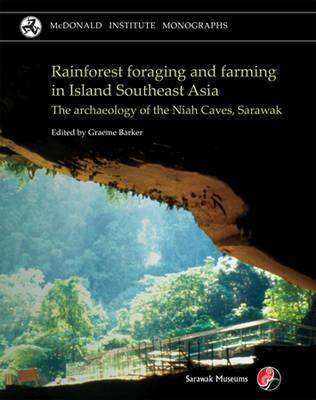
OverviewThe cathedral-like Niah Caves of Sarawak (Borneo) have iconic status in the archaeology of Southeast Asia, due to the excavations by Tom and Barbara Harrisson in the 1950s and 1960s which revealed the longest sequence of human occupation in the region, from (we now know) 50,000 years ago to the recent past. This book is the first of two volumes describing the results of new work in the caves by a multi-disciplinary team of archaeologists and geographers aimed at clarifying the many questions raised by the earlier work. This volume is a closely integrated account of how the old and new work combines to provide profound new insights into the prehistory of the region: the strategies developed by our species to live in rainforests from the time of first arrival; how rainforest foragers engaged in forms of ‘vegeculture’ thousands of years before rice farming; and how rice farming represented profound transformations in the social (and spiritual?) lives of rainforest dwellers, far more than being the dietary staple that it is today. Full Product DetailsAuthor: Graeme BarkerPublisher: McDonald Institute for Archaeological Research Imprint: McDonald Institute for Archaeological Research Dimensions: Width: 15.20cm , Height: 2.80cm , Length: 22.90cm Weight: 1.746kg ISBN: 9781902937540ISBN 10: 1902937546 Pages: 464 Publication Date: 31 October 2013 Audience: Professional and scholarly , Professional and scholarly , Professional & Vocational , Professional & Vocational Format: Hardback Publisher's Status: Active Availability: Available To Order We have confirmation that this item is in stock with the supplier. It will be ordered in for you and dispatched immediately. Table of ContentsReviewsAuthor InformationGraeme Barker is Emeritus Disney Professor of Archaeology at the University of Cambridge and a Senior Research Fellow in the McDonald Institute for Archaeological Research. His research focuses on the interactions between past human societies and the environments they inhabited, especially relating to the transition from hunting and gathering to farming and, more recently, the dispersal of our species. Tab Content 6Author Website:Countries AvailableAll regions |
||||